
Unfair Play How Counterfeits and Predatory Pricing Threaten India’s Small Retailers
- Published By: Tech Team
- May 21, 2026 / 07:55 PM IST


The rapid transformation of India’s retail sector is hitting a critical checkpoint. While the explosive growth of e-commerce and quick commerce platforms has brought unparalleled convenience to consumers, it has simultaneously unleashed a wave of systemic challenges.
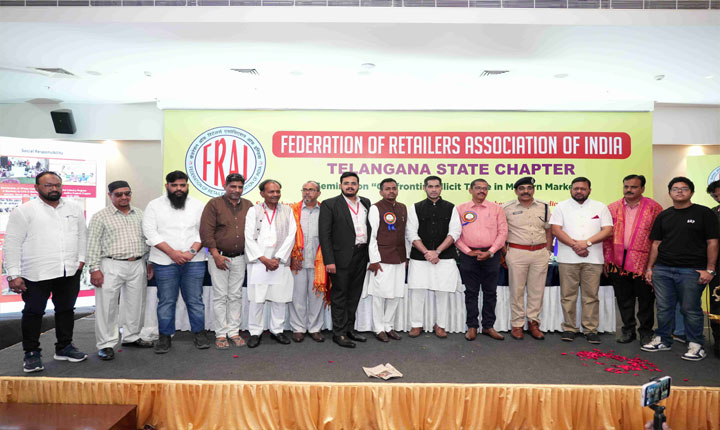
At a recent seminar titled “Confronting Illicit Trade in Modern Markets,” organized by the Telangana State Chapter of the Federation of Retailers Association of India (FRAI) in Hyderabad, industry experts, legal minds, and policymakers gathered to sound the alarm on two compounding crises: the rampant proliferation of counterfeit goods and deeply aggressive, predatory market practices.
The Convenience Trap Speed vs. Authenticity:
The modern consumer can order almost anything—from fresh groceries and skincare products to high-end smartphones—and have it delivered to their doorstep within minutes. However, retail representatives warn that this frantic race for ultra-fast delivery and rock-bottom pricing has created massive vulnerabilities in the supply chain.
Unethical sellers are increasingly exploiting weak verification mechanisms on rapidly expanding digital platforms. Because consumers are heavily incentivized by “flash sales” and extreme discounts, quality consciousness is taking a backseat to price sensitivity. This shift has opened floodgates for banned, substandard, and outright fake products to masquerade as genuine goods.
A Crisis of Livelihood for Traditional Traders:
The impact of this distorted ecosystem stretches far beyond corporate competition; it is a profound social and livelihood issue. FRAI, which represents over 2 lakh micro, small, and medium retailers in Telangana alone, emphasized that traditional kirana stores and neighborhood traders are being pushed to the brink of extinction.
“Small retailers and kirana stores are the backbone of India’s local economy,” said Mohammad Salahuddin Dakhni, Vice President of All India FRAI. “Predatory pricing, deep discounting, and the unchecked expansion of quick commerce platforms are distorting fair market competition. We risk damaging a traditional entrepreneurial culture that has sustained generations of self-employed families.”
Traditional shopkeepers often work 14 to 18 hours a day, operating on razor-thin margins but offering high accountability and genuine products to their local communities. Competing against platform-driven algorithms and massive capital-backed discounting structures has become an uneven, uphill battle.
The Call for Strict Regulatory Intervention:
The seminar drew urgent consensus from government and law enforcement representatives regarding the need for immediate structural reforms.
Administrative Backing: Hon’ble Tariq Ansari, Chairman of the Telangana State Minorities Commission, urged the State Government to step in with strict enforcement measures and targeted policy support to safeguard the interests of honest traders.
Law Enforcement Perspective: Mr. R. Sanjay Kumar, Assistant Commissioner of Police (Central Zone, Hyderabad), highlighted that the unchecked circulation of counterfeit goods over digital ecosystems is escalating into a public safety and cyber-risk issue. He stressed that while authorities will step up policing against illicit networks, consumers must also exercise greater vigilance and look past heavy discounts to verify product authenticity.
The Road Ahead Demanding a Level Playing Field:
The seminar concluded with a collective appeal to India’s policymakers for stronger regulatory oversight. Retail associations are not arguing against technological innovation; rather, they are demanding that retail growth remain fair, transparent, and inclusive.
To preserve economic stability and protect millions of honest livelihoods, the delegates called for robust fair-competition policies and a comprehensive framework to completely eradicate illicit and non-compliant products from the online ecosystem. Without a level playing field, the unique, community-driven retail fabric of India stands on precarious ground.
Related News

Hero MotoCorp Launches Glamour X with Integrated-ABS in India

JSW MG Motor India Launches Hector Tomahawk EV and PHEV in Hyderabad with Innovative BaaS Pricing

Croma Announces Pre-Bookings for iPhone 18 Pro Lineup Alongside Exclusive Offers on iPhone 17 Pro Models

L&T Finance Partners with Pine Labs to Launch Agentic Commerce on PLANET App

Hyundai Motor India Introduces Bluelink Remote Immobiliser for Venue and Venue N Line via Over-the-Air Update