

The Shocking Origin Story Behind Wall Street’s Bull and Bear Markets
- Published By: Tech Team
- August 11, 2026 / 08:30 AM IST


— Surya Prakash Josyula
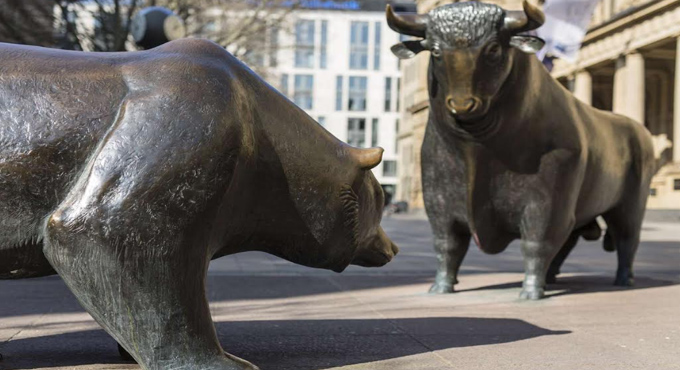
Every morning, whether you are reading business news, checking the stock market or watching financial channels, two words appear again and again — bull market and bear market. When stock prices keep climbing and investors are making money, the market is described as bullish. When prices start falling and fear takes over, it becomes a bear market.
We have become so used to these words that we rarely stop to ask a simple question: why did the financial world choose a bull and a bear to describe something as serious as the global stock market? Why not simply call them an “up market” and a “down market”? The answer takes us back several centuries, long before modern Wall Street and its giant financial institutions even existed.
The story begins in 18th-century London
The origins of the word “bear” can be traced back to the busy trading world of 18th-century London, particularly around Exchange Alley, where traders made speculative deals. At the time, a group of traders became known as “bearskin jobbers”, a name linked to an old expression about selling a bear’s skin before the bear had actually been caught. The phrase perfectly captured the risky way these traders operated. They could agree to sell something even though they did not actually own it, hoping that its price would fall before they had to complete the transaction.
The strategy was simple but risky. Imagine a trader believed that the price of a particular asset would fall. He would agree to sell it at the current price, even though he did not have it in his possession. If the price later dropped, he could buy the same asset at the lower price and use it to complete the original deal. The difference between the higher selling price and the lower buying price became his profit. In modern financial language, this is closely related to the idea of short selling. Those traders were essentially making money by correctly predicting that prices would go down.
Over time, the longer expression “bearskin jobber” was shortened to simply “bear”, and the word began to describe traders who expected prices to fall. Eventually, the term moved beyond individual traders and became associated with the market itself. A prolonged period of falling prices came to be known as a bear market. In modern financial usage, a bear market is generally defined as a decline of 20% or more from a recent peak.
There is a popular explanation that the bear became the symbol of a falling market because a bear attacks by swiping its paws downward. It is a powerful image, and it certainly makes the term easy to remember. But that explanation appears to have come later. The original connection was much less dramatic and much more closely linked to the trading practices of those early speculators who were willing to sell something before they actually owned it.
Then the bull entered the story
If the bear represented traders who expected prices to fall, the market needed a word for those who believed the opposite. These traders expected prices to rise, so they would buy assets and wait for their value to increase before selling them for a profit. The word “bullish” had already been used in English to describe people who were confident, optimistic or eager to move forward. The bull itself also offered a natural visual contrast to the bear. When a bull attacks, it uses its horns to drive upwards, making it an easy metaphor for prices moving higher.
As financial language evolved, traders who expected prices to rise became known as bulls, while a sustained rise in market prices became known as a bull market. In modern usage, a bull market is generally described as a rise of 20% or more from a recent low. The two animals therefore became symbols of two completely opposite forces in the market — the bull representing confidence, optimism and rising prices, and the bear representing pessimism, fear and falling prices.
Why are these names still alive after centuries?
The financial world has changed almost beyond recognition since those early London trading days. Markets are now dominated by computers, algorithms and institutional investors. Billions of dollars can move across countries within seconds, and an individual investor can buy shares from a smartphone without ever stepping inside a trading office. Yet the words bull and bear have survived all these changes because they make a complicated financial idea remarkably easy to understand.
A bull moving forward suggests strength and momentum, while a bear pushing downward immediately creates the image of decline. That simple visual language works whether you are a professional trader or someone who has never opened a brokerage account. Over the centuries, what started as colourful slang among London traders became one of the most recognisable languages in global finance.
That is why the next time you hear an analyst say that markets have entered a bear phase, or an investor confidently declare that a bull market is underway, there is a much older story hiding behind those words. The terms were not invented by modern Wall Street economists or created by financial textbooks. Their roots lie in the speculative trading culture of old London, where traders were already trying to make money by predicting what prices would do next.
Hundreds of years later, the technology has changed, the markets have become global and the money involved has grown enormously. But the basic battle remains exactly the same. Some investors believe prices are going higher. Others believe they are going lower. The market simply gave those two opposing sides two memorable animals — the bull and the bear.
Related News

GIRI Opens 39th Showroom and Cultural Hub on MG Road, Puducherry

Citizens Specialty Hospital in Nallagandala Marks World Heart Day with Community Walkathon

JioStar Unveils ‘Har Ghar Mein Jashn’ Festive Playbook to Help Brands Capture Surge in Consumer Spending

Rapido Expands Food Delivery App Ownly to Hyderabad with a Unique Captain Biryani Celebration

Sennheiser Launches MOMENTUM 5 Wireless and MOMENTUM True Wireless 5 in India