

The Open-Source Dilemma: Five Eyes Sounds Alarm Over China’s GLM-5.2 AI Model

- Published By: Vishal
- June 27, 2026 / 01:02 PM IST


GLM: The Five Eyes intelligence alliance of the five countries has issued a major warning concerning a powerful new open-source artificial intelligence model originating from China, cautioning that it presents a severe, immediate cyber threat.
According to intelligence reports, the model known as GLM-5.2 and developed by China’s Z.ai is a frontier-class coding system that is already being exploited by hostile actors.
High-Powered Capabilities Without Restrictions:
GLM-5.2 stands out due to its immense scale and the permissive nature of its release:
Commercial Rivalry: Boasting The model delivers advanced programming capabilities that rival the world’s leading commercial AI systems.
No Guardrails: Because it was launched under an unrestricted MIT license, the software lacks centralized regulatory oversight. This allows anyone to modify or utilize its advanced code-generation features without safety restrictions.
Adversaries Actively Exploiting the System:
The ease of access has quickly translated into real-world security concerns:
Malicious Optimization: Cybersecurity researchers have observed threat actors leveraging the model’s open-source architecture to bypass standard safety protocols.
Underground Forums: Active discussions have already been flagged on Russian-language forums, where hackers are sharing methods to strip away GLM-5.2’s remaining safety settings.
Global Distribution: The reach of the model expanded further on June 24, when the platform
Featherless.ai began hosting GLM-5.2 on a global scale. This global availability has intensified anxieties among defense officials regarding widespread access to elite-tier coding automation.
> “Intelligence officials say GLM-5.2, a frontier-class coding model released under an unrestricted MIT license, is already being used by adversaries.”
>
The unfolding situation underscores a critical challenge for global cybersecurity: as high-tier AI models become completely open-source, the boundary between technological innovation and digital warfare continues to blur.
Related News

Major Indian Banks Report Strong Q2 FY27 Financial Results with Record Profits and Asset Quality Improvements
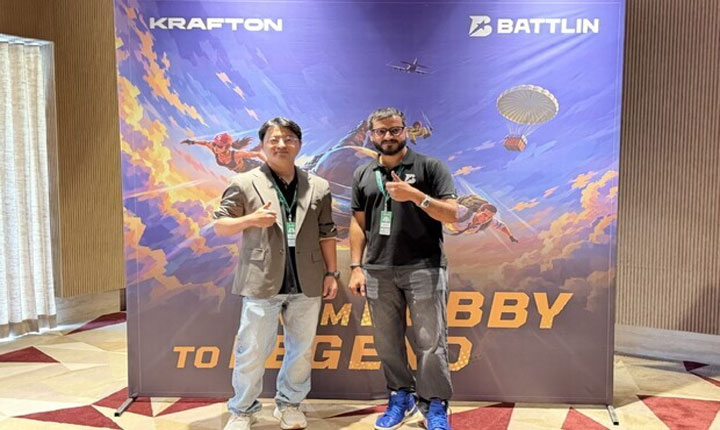
KRAFTON Unveils ‘Battlin’, India’s First Unified Esports Tournament Platform for BGMI

Cotecna Expands Global Life Sciences Footprint with Acquisition of Hyderabad-Based Energon Labs

ITC Hotels Signs 104-Key Welcomhotel in Manesar Gurugram to Expand NCR Presence

Weverse Con Festival India Unveils a Landmark Lineup of Global K-Pop and Indian Artists for its Inaugural Edition