The Many Benefits of Replacing Paper Notes With Plastic Ones
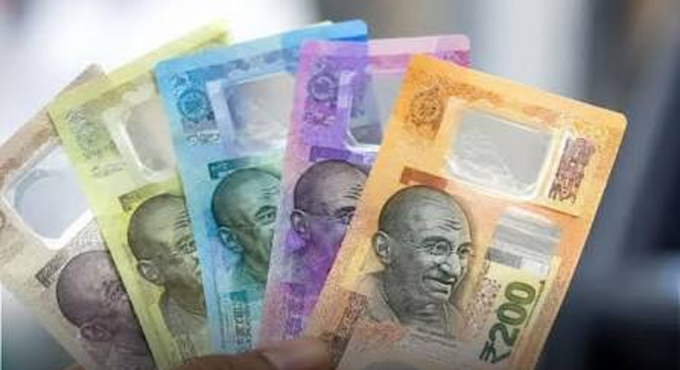
- Published By: Phanindra
- July 27, 2026 / 10:01 AM IST


It is extremely common for frequently used ₹10, ₹20, and ₹50 notes to get soiled, torn, or damaged by water within just a few months. Because the currency currently circulating in India is made from 100% cotton fiber, its durability is significantly low. To combat this, the Reserve Bank of India (RBI) spends thousands of crores every year reprinting damaged currency.
As a permanent solution, the central bank is now preparing to introduce plastic/polymer notes into the market. The RBI plans to launch an initial pilot project targeting low-denomination notes like ₹10 and ₹20, as these change hands most frequently and wear out the fastest.
The Massive Cost of Printing Paper Currency
With notes degrading quickly, the RBI is forced to print a massive volume of replacements annually. In the 2024-25 financial year alone, the RBI identified over 2,300 crore damaged notes and spent ₹6,373 crore to print more than 1,200 crore new ones.
According to RBI data, the printing cost per note ranges from 96 paise for a ₹10 note to ₹2.57 for a ₹500 note. While the initial production cost of a polymer note is slightly higher—ranging between ₹2 and ₹6—they boast a much longer lifespan of 5 to 7 years. This increased durability will drastically reduce the need for frequent reprinting, potentially saving the RBI up to ₹6,000 crore every year.
A Decade of Massive Printing Expenditures
The financial burden of maintaining paper currency is highly evident when examining the central bank’s expenditure over the last decade. Over the past ten years, the RBI has spent a staggering total of ₹52,095 crore to print approximately 26,000 crore currency notes. A closer look at the yearly data reveals substantial ongoing costs. For instance, printing expenditures peaked at ₹7,965 crore in 2016-17 for 2,904 crore notes. In the following years up to 2023-24, the annual printing cost fluctuated between ₹4,100 crore and ₹5,100 crore, with the supply volume generally hovering between 2,225 crore and 2,919 crore notes. Most recently, the expenditure spiked to approximately ₹6,400 crore in 2024-25 to supply 3,030 crore notes, before recording a cost of ₹4,875 crore for 2,810 crore notes during the 2025-26 financial year.
High-Tech Security and Eco-Friendly Benefits
Polymer notes last three to four times longer than traditional paper notes. They do not tear easily during regular use and can even withstand being soaked or washed in water. While the initial manufacturing cost is higher, the long-term expenses related to printing, transportation, and the destruction of old notes will drop significantly. They are also environmentally friendly, as they can be fully recycled into other plastic products at the end of their lifecycle.
Technologically, polymer notes can integrate highly complex security features. The use of specialized holographic designs, micro-printing, and advanced ink technology makes counterfeiting nearly impossible for fraudsters.
Learning from Past Experiences
Currently, over 60 countries—including Australia, Canada, the UK, and Vietnam—are successfully using polymer currency. India actually attempted a pilot project in 2012, testing ₹10 plastic notes in cities like Kochi, Mysore, and Bhubaneswar. However, the project stalled due to technical glitches, primarily because ATMs struggled to properly read the new material. Today, the RBI is armed with state-of-the-art technology to overcome these previous hurdles and is taking concrete steps to properly implement polymer currency.
Cash Remains Crucial in the Digital Era
Despite the explosive growth of UPI and digital payments, the usage of physical cash in India has not declined. In fact, the total value of currency in circulation continues to rise every year. Cash remains the primary mode of payment for small businesses, rural areas, and daily transactions.
Recognizing this reality, the RBI is determined to build a currency system that is more durable, secure, and cost-effective to maintain. However, challenges remain, such as the current reliance on foreign suppliers for polymer sheets and the need to develop robust domestic production capacity. Because of these factors, the transition to plastic currency will be rolled out in strategic, carefully monitored phases rather than overnight.
Related News

BenQ Unveils “MOBIUZ Game Art Museum” Experience at Tokyo Game Show 2026

Dreame Technology Launches Flagship X60 Ultra Complete Robot Vacuum in India

Turtle Wax Marks 80 Years of Global Leadership as CEO Laurie King Visits India to Accelerate Expansion Plans

Hyundai Motor India Opens Bookings for the New Intelligent Utility Vehicle, Hyundai BAYON

Telangana AI Summit 2026 Drives State’s Vision to Become a Global Artificial Intelligence Hub