

The High Cost of Love Why Financial Status is the New Love Language for Gen Z and Millennials
- Published By: techteam
- April 25, 2026 / 01:50 PM IST


Financial Future: In a world where “love at first sight” is being replaced by “love at first credit check,” the landscape of modern romance is undergoing a radical financial transformation. Recent data suggests that for younger Americans, a prospective partner’s bank statement is becoming just as important if not more so than their personality.
The Rise of the “Credit Score Crush”:
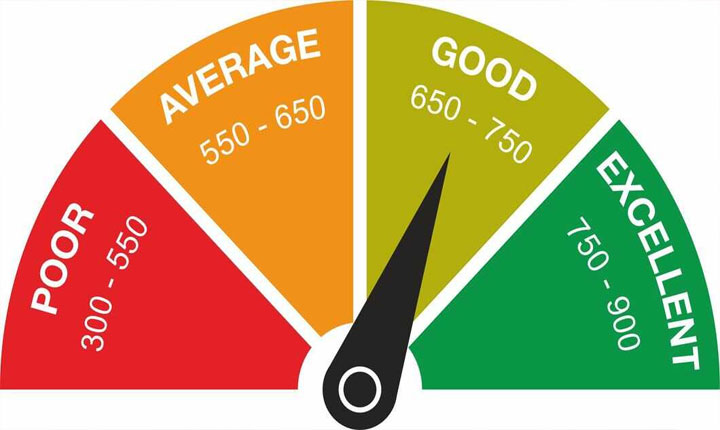
The traditional “tall, dark, and handsome” trope is facing stiff competition from a new ideal: “stable, solvent, and high-scoring.” A survey by the dating app Hily revealed that nearly one-third of Gen Z and millennial daters find an excellent credit score to be a significant aphrodisiac.
This isn’t just about greed; it’s about survival. As celebrity divorce attorney Jackie Combs notes, these generations are dating amidst “unprecedented financial instability.” When housing is unaffordable and student debt is a permanent shadow, a partner with a 750+ credit score represents a life raft in a turbulent economy.
“Future Faking” and the Cost of Impression:
The desperation to appear financially “worthy” has birthed a deceptive new trend: Financial Future Faking. This involves making grand promises about luxury lifestyles, shared homes, or long-term security with zero intent or capability to follow through.
The pressure to maintain this facade is driving young daters into a dangerous cycle:
- The Honesty Gap: More than 50% of young adults admit to lying about or exaggerating their financial status.
- Dating into Debt: To keep the romance alive, 37% of respondents would willingly go into debt for a date.
- The Gender Divide: Men feel the pressure more acutely, with 46% willing to overspend to impress, compared to 28% of women.
Should Apps Filter by Wealth?
The obsession with fiscal health has reached a point where many users want the technology to do the vetting for them. Roughly 20% to 25% of young daters believe dating apps should include a filter for credit scores. While this might streamline the search for a stable partner, critics argue it risks turning the dating pool into a cold marketplace where human connection is secondary to a balance sheet.
Source: The Hill
Related News

PhonePe Wallet Inactivity Fee Explained: Will Money Be Deducted From Your Bank Account?

Aditya Birla Group Reimagines Historic INT, Launches INT Aditya Birla Performing Arts Academy

Most Indians Don’t Trust Factory Reset, Want Certified Data Wipes Before Selling Old Phones

India Locks In More Russian and UAE Crude Even as Hormuz Traffic Bounces Back

Jio Platforms Rockets into WIPO Global Top 20 Patent Rankings Alongside Big Tech Titans