

Swiggy Instamart Slapped With 9 FSSAI Notices Over Contaminated Food and Expired Products
- Published By: Phanindra
- July 12, 2026 / 03:24 PM IST


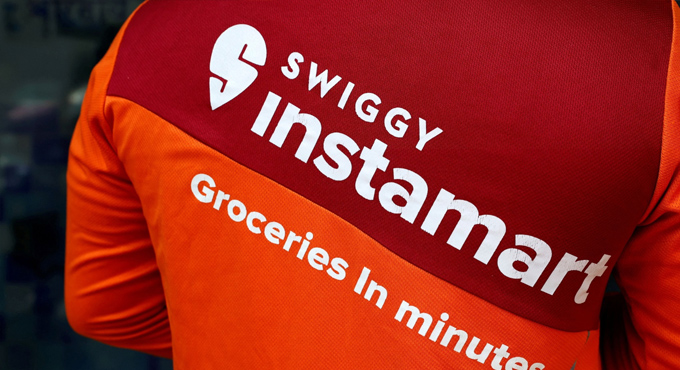
In a major regulatory blow to the popular quick-commerce platform, the Food Safety and Standards Authority of India (FSSAI) has issued as many as nine notices to Swiggy Instamart. Acting on a series of consumer complaints, the regulatory body flagged multiple severe violations under the Food Safety and Standards Act, 2006. The FSSAI has demanded a comprehensive explanation regarding allegations of the platform supplying expired products, spoiled food, contaminated eggs and milk, and delivering food items in damaged packaging.
Strict Demand for Documentation and Compliance
The food safety authority has directed Swiggy Instamart to submit a detailed report backed by solid documentary evidence within a stipulated deadline. This mandated report must extensively cover critical operational areas, including quality control, food safety monitoring, inventory management, stock rotation, hygiene standards, storage protocols, consumer grievance redressal mechanisms, and corrective actions already taken. The FSSAI also issued a stern warning that failure to provide a satisfactory response within the timeframe will result in stringent legal action.
Focus on License Anomalies and Future Prevention
Beyond immediate product quality and delivery issues, the FSSAI raised serious questions regarding deeper systemic and operational flaws. The regulatory notices highlighted discrepancies such as the platform displaying invalid or incorrect FSSAI license numbers, retailing brands not covered under existing licenses, and significant lapses in vendor registration and product traceability.
Taking a firm stance on corporate accountability and customer service, the regulatory authority clarified that merely issuing financial refunds to dissatisfied customers is not an adequate resolution for health hazards. The FSSAI has explicitly instructed Swiggy Instamart to present a definitive and clear action plan outlining the robust preventive measures it will implement to ensure such food safety incidents are not repeated in the future.
Related News

BenQ Unveils “MOBIUZ Game Art Museum” Experience at Tokyo Game Show 2026

Dreame Technology Launches Flagship X60 Ultra Complete Robot Vacuum in India

Turtle Wax Marks 80 Years of Global Leadership as CEO Laurie King Visits India to Accelerate Expansion Plans

Hyundai Motor India Opens Bookings for the New Intelligent Utility Vehicle, Hyundai BAYON
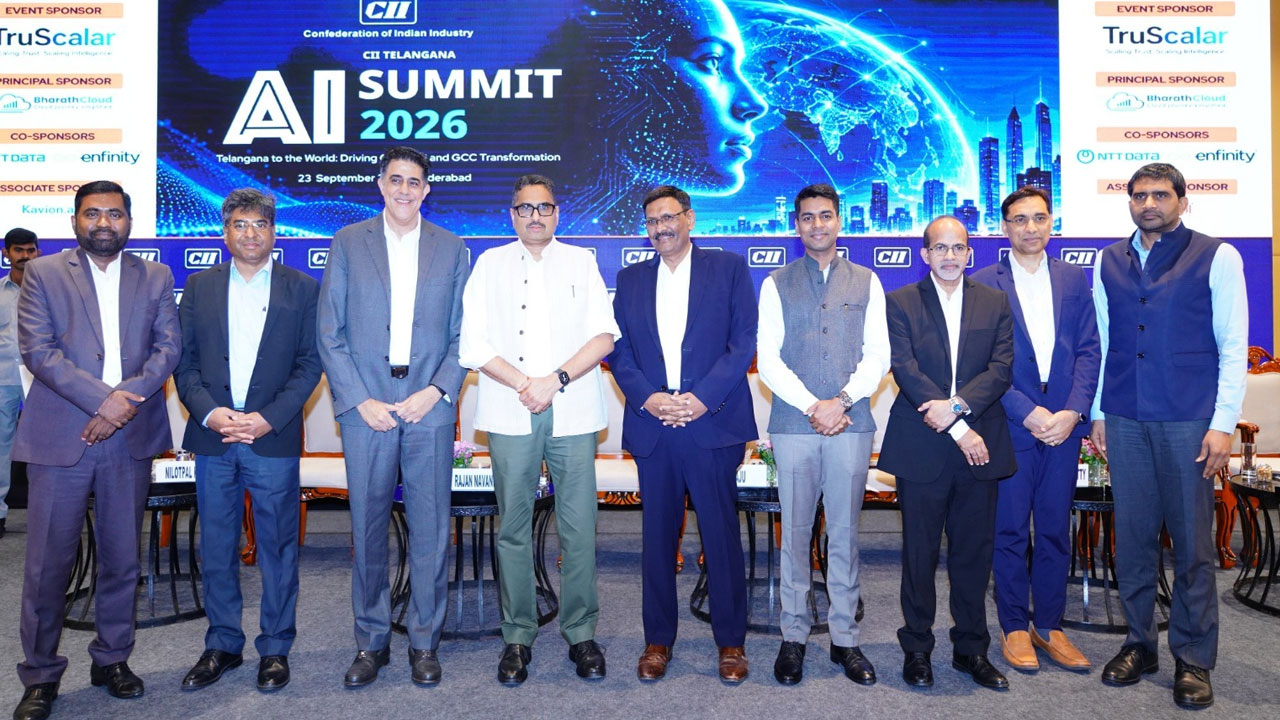
Telangana AI Summit 2026 Drives State’s Vision to Become a Global Artificial Intelligence Hub