
Supreme Court Issues Directions to Tackle Digital Fraud, Asks RBI to Circulate SOP
- Published By: Phanindra
- August 8, 2026 / 07:30 AM IST


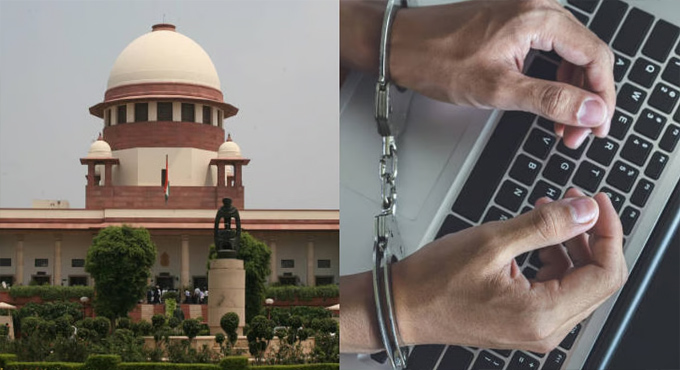
To combat the alarming rise in online frauds and curb the use of illegal mule accounts across the country, the Supreme Court has issued strict directives. The apex court has ordered the Reserve Bank of India (RBI) to draft a Standard Operating Procedure (SOP) within the next four weeks. This SOP, which must clearly outline the immediate actions to be taken by banks and investigative agencies the moment a cyber fraud is reported, is to be circulated to all banks. A bench headed by Justice Surya Kant imposed this strict deadline on the central bank.
The primary objective of this new SOP is to provide rapid relief to defrauded victims. The court emphasized that the processes of freezing suspicious bank accounts within minutes of a cybercrime being reported, recovering the stolen funds, and returning them to the victims must be completed at an accelerated pace. Furthermore, the bench directed the RBI to provide a copy of this SOP to the Registrar Generals of all High Courts, while also urging states and union territories to create widespread public awareness regarding these money recovery modules.
In a significant move to tackle the growing menace of “digital arrests”—where victims are extorted through fabricated legal threats—the Supreme Court proposed that the central government establish an Inter-Departmental Committee (IDC). This committee is tasked with consulting banks and financial institutions to implement effective preventive measures and recover fraudulently acquired funds. The Supreme Court also suggested that “digital arrest” should be categorized as a specific offense within criminal law carrying severe punishments. Additionally, authorities have been ordered to submit comprehensive reports detailing the cyber fraud complaints registered and resolved across every bank.
Related News

BenQ Unveils “MOBIUZ Game Art Museum” Experience at Tokyo Game Show 2026

Dreame Technology Launches Flagship X60 Ultra Complete Robot Vacuum in India
Turtle Wax Marks 80 Years of Global Leadership as CEO Laurie King Visits India to Accelerate Expansion Plans

Hyundai Motor India Opens Bookings for the New Intelligent Utility Vehicle, Hyundai BAYON
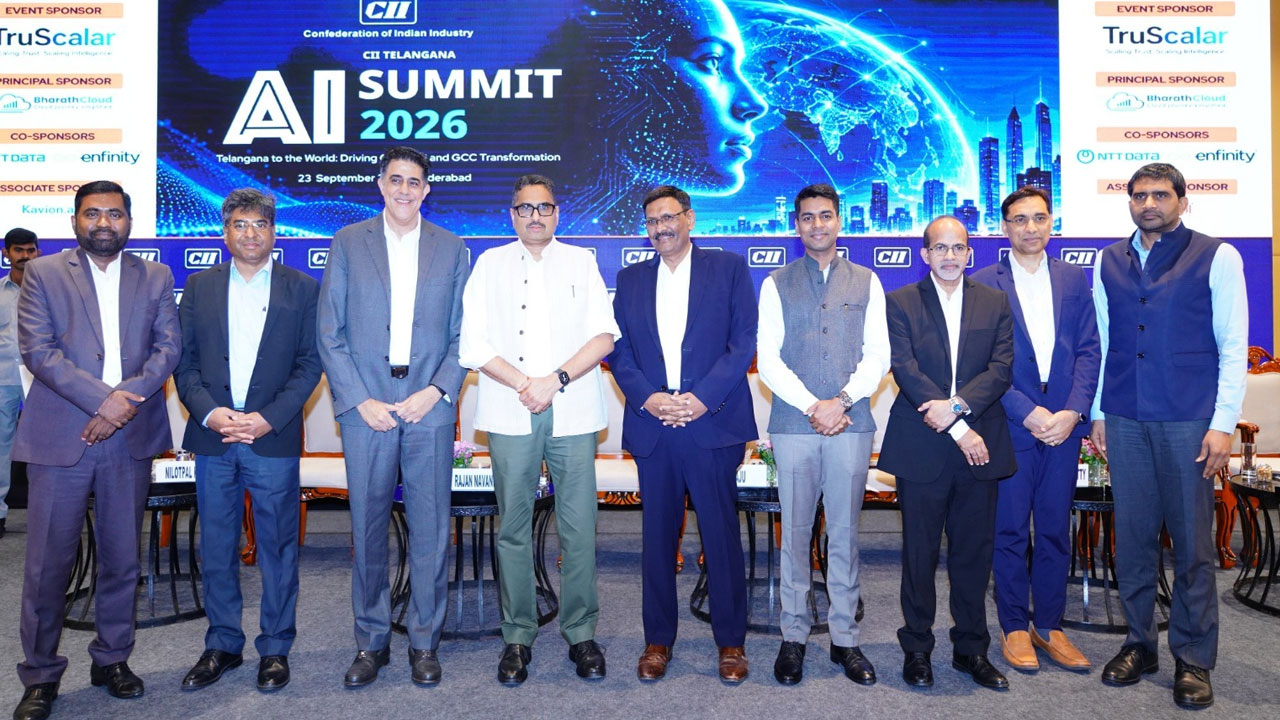
Telangana AI Summit 2026 Drives State’s Vision to Become a Global Artificial Intelligence Hub