
SIAM Flags High Chloride Levels in E20 Fuel, Warns of Permanent Engine Part Damage
- Published By: Phanindra
- August 8, 2026 / 07:51 AM IST


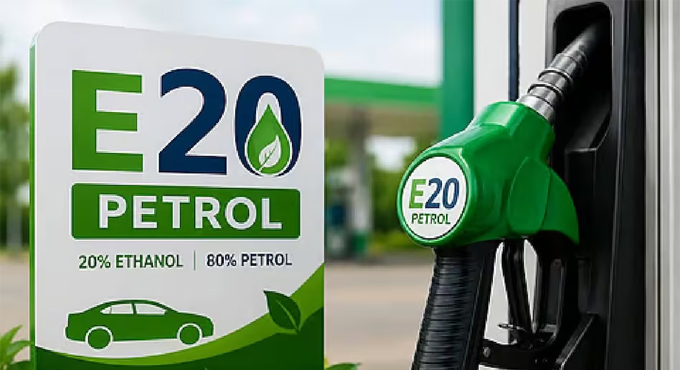
Following the nationwide rollout of E20 petrol, the automobile industry has expressed serious concerns regarding fuel quality. The Society of Indian Automobile Manufacturers (SIAM) has written to the Union Petroleum Ministry, warning that high chloride contamination and excess moisture in the blended fuel are rapidly damaging critical vehicle components, including fuel injectors, fuel pumps, EGR valves, and exhaust systems.
SIAM reported that fuel samples collected directly from vehicles showed chloride levels as high as 500 mg/kg, while samples from retail outlets recorded levels up to 350 mg/kg. The industry body has urged the government to cap the total chloride limit in commercial E20 and E85 fuels at less than 1 mg/kg and to implement stricter standards for ethanol itself. Despite raising this issue with the Bureau of Indian Standards (BIS) committee for the past two years, the decision to mandate chloride testing as a quality parameter remains pending.
Excessive moisture in E20 fuel has also emerged as a major problem. While the permissible moisture limit is set at 3,000 mg/kg, SIAM revealed that some samples contained over 10,000 mg/kg. This high water content can trigger phase separation in the fuel, potentially causing vehicles to stall immediately after refueling. SIAM pointed out that poor maintenance of underground storage tanks and pipelines at older retail outlets contributes heavily to this contamination, advising Oil Marketing Companies (OMCs) to enforce rigorous quality controls and conduct frequent audits.
In response to these allegations, the Union Petroleum Ministry defended the current quality control mechanisms. The ministry stated that daily quality checks are rigorously conducted across more than 87,000 petrol pumps nationwide. According to government data, out of the over 2,000 fuel samples tested recently, chloride contamination was detected at only two retail outlets, suggesting the issue may not be as widespread as the auto industry claims.
Related News
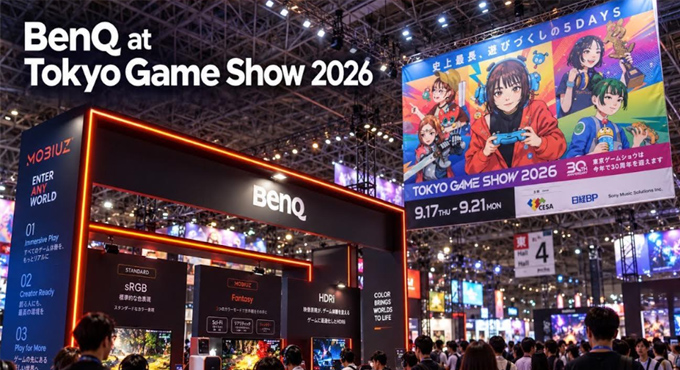
BenQ Unveils “MOBIUZ Game Art Museum” Experience at Tokyo Game Show 2026

Dreame Technology Launches Flagship X60 Ultra Complete Robot Vacuum in India
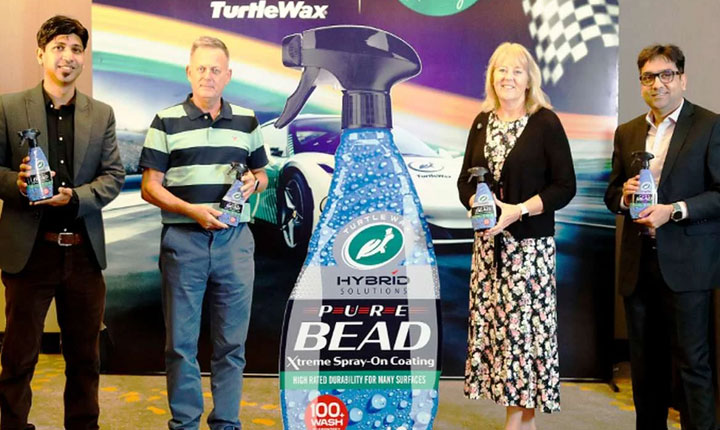
Turtle Wax Marks 80 Years of Global Leadership as CEO Laurie King Visits India to Accelerate Expansion Plans
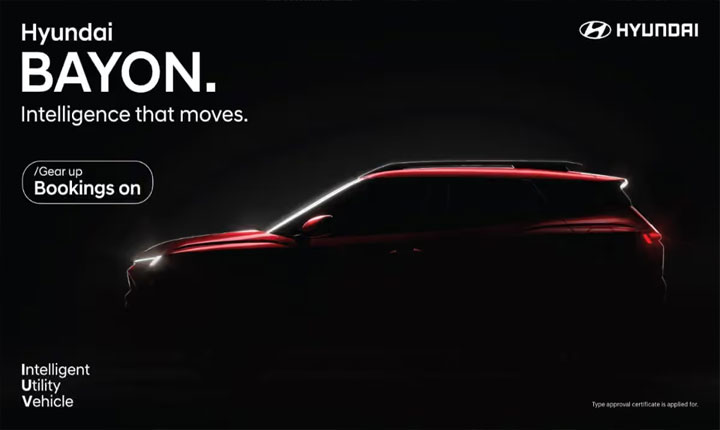
Hyundai Motor India Opens Bookings for the New Intelligent Utility Vehicle, Hyundai BAYON
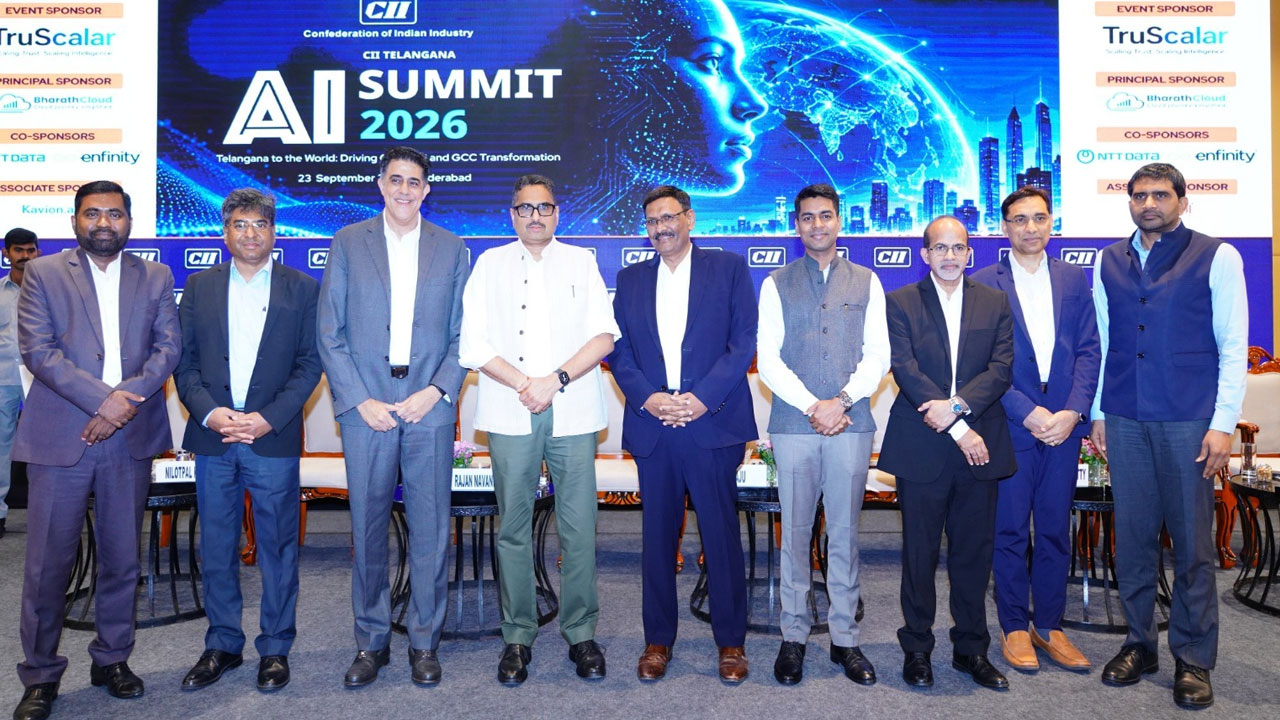
Telangana AI Summit 2026 Drives State’s Vision to Become a Global Artificial Intelligence Hub