

RBI Asks Banks to Sell Immovable Assets From Bad Loans Within 7 Years
- Published By: Phanindra
- July 22, 2026 / 07:45 AM IST


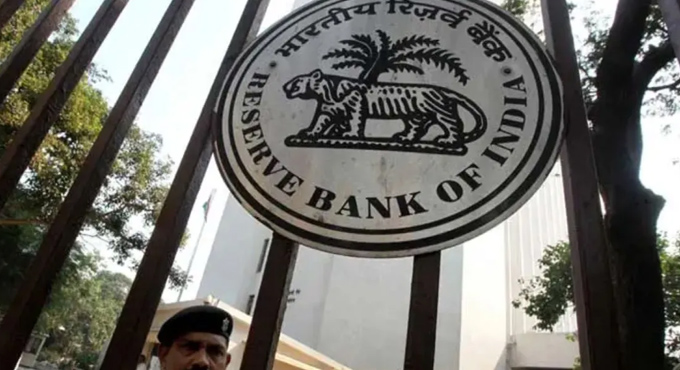
In a major move to accelerate the recovery of mounting bad loans, the Reserve Bank of India (RBI) has introduced stringent new guidelines for the banking sector. The central bank has mandated that immovable properties seized by banks from defaulting borrowers must be sold through public auctions within a maximum period of seven years.
The RBI explicitly stated that banks must strictly adhere to the auction procedures outlined in the SARFAESI Act, 2002, while managing and disposing of these properties. These new regulations are set to come into effect from October 1. The seven-year disposal deadline will apply to all assets seized for recovery, excluding properties that banks utilize for their own operational needs. Furthermore, for older assets already in the possession of banks by September 30, the RBI has granted an extended deadline of September 30, 2027, to successfully liquidate them.
Strict Ban on Selling Back to Defaulters
To eliminate any potential loopholes or malpractices during asset sales, the RBI has enforced another critical restriction. Banks are strictly prohibited from selling the confiscated properties back to the original borrowers who have been declared defaulters under the Insolvency and Bankruptcy Code (IBC), or to any individuals or entities associated with them. The guidelines also clarify that a property will only be officially considered “possessed” by the bank after the complete and legal transfer of ownership rights.
Transparent Accounting for Seized Assets
The central bank has also tightened the accounting norms to ensure absolute financial transparency. If the current market value of a seized property falls below its original book value, the bank is required to reflect this depreciated, lower price in its financial records.
Importantly, the RBI directed that these seized properties must not be clubbed with standard Gross and Net Non-Performing Asset (NPA) calculations. Instead, banks have been instructed to disclose these properties separately in their balance sheets under a distinct and specific heading titled “Non-Banking Assets Acquired in Satisfaction of Claims.”
Related News

BenQ Unveils “MOBIUZ Game Art Museum” Experience at Tokyo Game Show 2026

Dreame Technology Launches Flagship X60 Ultra Complete Robot Vacuum in India

Turtle Wax Marks 80 Years of Global Leadership as CEO Laurie King Visits India to Accelerate Expansion Plans

Hyundai Motor India Opens Bookings for the New Intelligent Utility Vehicle, Hyundai BAYON

Telangana AI Summit 2026 Drives State’s Vision to Become a Global Artificial Intelligence Hub