
LPG Subsidy Bill May Top ₹1 Lakh Crore in FY27, Creating a ₹70,000 Crore Budget Gap
- Published By: Phanindra
- July 22, 2026 / 07:25 AM IST


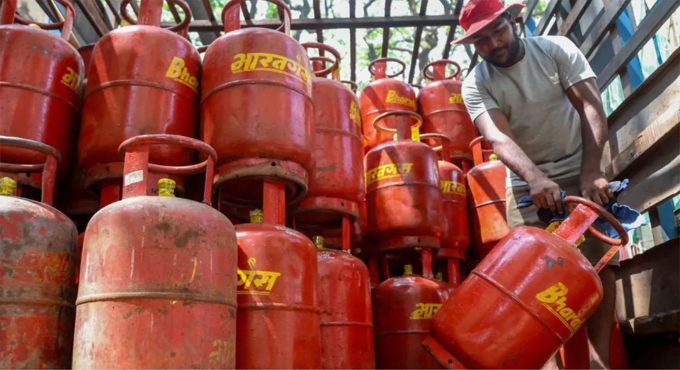
The central government is facing a mounting financial burden due to the continuous rise in fuel and Liquefied Petroleum Gas (LPG) prices. According to a recent report by PL Capital, if current market trends persist, the government’s LPG subsidy expenditure for the financial year 2026-27 (FY27) is projected to breach the ₹1 lakh crore mark.
This anticipated expenditure creates a staggering shortfall, landing approximately ₹70,000 crore higher than the ₹30,000 crore specifically allocated for this purpose in the Union Budget.
International Pressures and Per-Cylinder Costs
The PL Capital report highlights that the current subsidy burden shouldered by the state stands at approximately ₹490 per domestic gas cylinder. The bulk of these inflated costs—driven heavily by war-induced geopolitical uncertainties and immense pressure on international fuel prices—is currently being absorbed by the central government and state-run Oil Marketing Companies (OMCs) to shield consumers from market shocks.
Broad Surge Across All Subsidy Sectors
The strain is not limited to LPG alone; government spending has spiked across multiple welfare categories. During the April–May period of this year, the total subsidy expenditure surged to ₹75,540 crore, recording a sharp 47% increase compared to the exact same period last year.
The breakdown of major subsidy expenditures during this period includes:
– Food Subsidy: ₹40,800 crore
– Urea Subsidy: ₹28,450 crore
– Nutrient-Based Fertilizer Subsidy: ₹6,010 crore
Impact on Fiscal Deficit and Capital Expenditure
Given this rapidly escalating subsidy burden, market analysts predict that the government will be forced to shift its immediate focus toward reining in the fiscal deficit. Consequently, the PL Capital report estimates that the Centre may have to exercise strict restraint on its broader capital expenditure (Capex) plans during the first half of the current financial year to balance the national ledger.
Related News

BenQ Unveils “MOBIUZ Game Art Museum” Experience at Tokyo Game Show 2026

Dreame Technology Launches Flagship X60 Ultra Complete Robot Vacuum in India

Turtle Wax Marks 80 Years of Global Leadership as CEO Laurie King Visits India to Accelerate Expansion Plans

Hyundai Motor India Opens Bookings for the New Intelligent Utility Vehicle, Hyundai BAYON
Telangana AI Summit 2026 Drives State’s Vision to Become a Global Artificial Intelligence Hub