
Indian Auto OEMs Face 9-15 Month Delays in New Vehicle Launches Despite Heavy Digital Investments
- Published By: Phanindra
- July 2, 2026 / 04:00 PM IST


Indian automobile manufacturers are grappling with significant roadblocks in their product pipelines. Despite technological advancements, bringing new vehicles to the domestic market is taking much longer than anticipated. According to a recent report published by the Vector Consulting Group, domestic auto Original Equipment Manufacturers (OEMs) are currently experiencing an average delay of 9 to 15 months in launching new models.
What makes this delay particularly striking is the heavy financial commitment these companies have made toward modernization. The report highlights that over the past five years, 93% of these auto companies have invested upward of ₹50 crore in digital product development tools, yet the core issue of delayed market entry remains largely unresolved.
Root Causes Traced Back to the Design Phase
The comprehensive study was formulated based on the insights of 57 senior executives spanning the two-wheeler, passenger car, commercial vehicle, and electric vehicle (EV) sectors.
According to these industry leaders, the complications that eventually stall the manufacturing phase actually originate much earlier in the product lifecycle—specifically during the design stage.
The Cost of Late Detection: If structural flaws related to alignment, manufacturability, or future servicing are caught during the initial design phase, engineers can rectify them within hours.
The Bottleneck Effect: However, when these undetected design errors inevitably cascade down to the physical manufacturing and assembly stages, fixing them results in massive cost overruns and pushes timelines back by several months.
Strategic Solutions to Accelerate Development
To overcome these structural bottlenecks and speed up the new vehicle development cycle, the Vector Consulting Group report recommends several crucial operational shifts for auto OEMs:
Cap Concurrent Projects: Strictly controlling the number of active, simultaneous projects to prevent resource fragmentation.
Optimize Expert Time: Ensuring that the time and focus of specialized engineering experts are utilized efficiently without being spread too thin across multiple platforms.
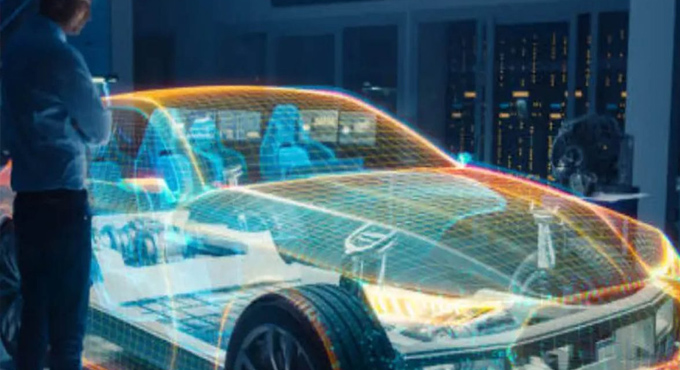
Robust Digital Verification: Further strengthening and mandating rigorous digital design verification protocols to catch errors long before physical prototypes are built.
Related News

BenQ Unveils “MOBIUZ Game Art Museum” Experience at Tokyo Game Show 2026

Dreame Technology Launches Flagship X60 Ultra Complete Robot Vacuum in India

Turtle Wax Marks 80 Years of Global Leadership as CEO Laurie King Visits India to Accelerate Expansion Plans

Hyundai Motor India Opens Bookings for the New Intelligent Utility Vehicle, Hyundai BAYON
Telangana AI Summit 2026 Drives State’s Vision to Become a Global Artificial Intelligence Hub