
Corrosion Costs India 4.3% of Its GDP Annually: Nomura Research Institute Report
- Published By: Phanindra
- August 6, 2026 / 08:54 AM IST


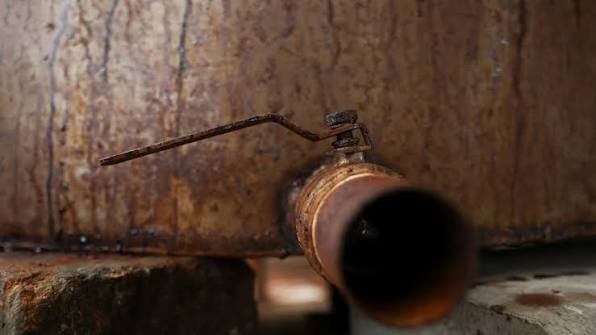
As the fastest-growing major economy in the world, having reached a GDP of $4.2 trillion, India is facing a silent but massive financial threat from the corrosion of its infrastructure and metal structures. A recent report by the Nomura Research Institute (NRI) has revealed that rust is no longer just an engineering challenge, but a severe burden on the national economy. Due to corrosion, India is losing approximately 4.3% of its Gross Domestic Product (GDP) every year, which translates to a staggering $180 billion, or roughly ₹14.1 lakh crore. This figure is significantly higher than the global average loss of 3.4%, raising serious concerns as the country scales its rapid developmental pace.
The problem is being further exacerbated by the aggressive expansion of infrastructure across key sectors such as roads, railways, power, telecom, housing, and renewable energy. The report warns that the current industry focus on minimizing initial construction costs is ultimately reducing the overall lifespan of these vital public assets and exponentially driving up long-term maintenance expenses. In the power sector alone, corrosion is responsible for losses amounting to 10.1% of its GDP contribution, while telecom towers, railway networks, and bridges remain exceptionally vulnerable to structural degradation.
However, the NRI report emphasizes that implementing highly effective, preventive anti-corrosion measures can completely reverse this trend. By adopting world-class manufacturing standards, utilizing superior components, ensuring continuous infrastructural inspections, and shifting to a project planning model based on comprehensive “lifecycle costs,” India could effectively save up to $63 billion (about ₹5 lakh crore) annually. This strategic shift could potentially boost the nation’s GDP by up to 1.5%. As India marches toward its ambitious $5 trillion economic target and the broader vision of a ‘Viksit Bharat’ by 2047, the report makes it clear that ensuring the durability of infrastructure must become a central pillar of the country’s core economic strategy.
Related News

BenQ Unveils “MOBIUZ Game Art Museum” Experience at Tokyo Game Show 2026

Dreame Technology Launches Flagship X60 Ultra Complete Robot Vacuum in India

Turtle Wax Marks 80 Years of Global Leadership as CEO Laurie King Visits India to Accelerate Expansion Plans

Hyundai Motor India Opens Bookings for the New Intelligent Utility Vehicle, Hyundai BAYON
Telangana AI Summit 2026 Drives State’s Vision to Become a Global Artificial Intelligence Hub