

Banks Propose ‘Yes-No’ Confirmation for Unusual Digital Transactions to Curb Cyber Fraud
- Published By: Phanindra
- August 6, 2026 / 08:49 AM IST


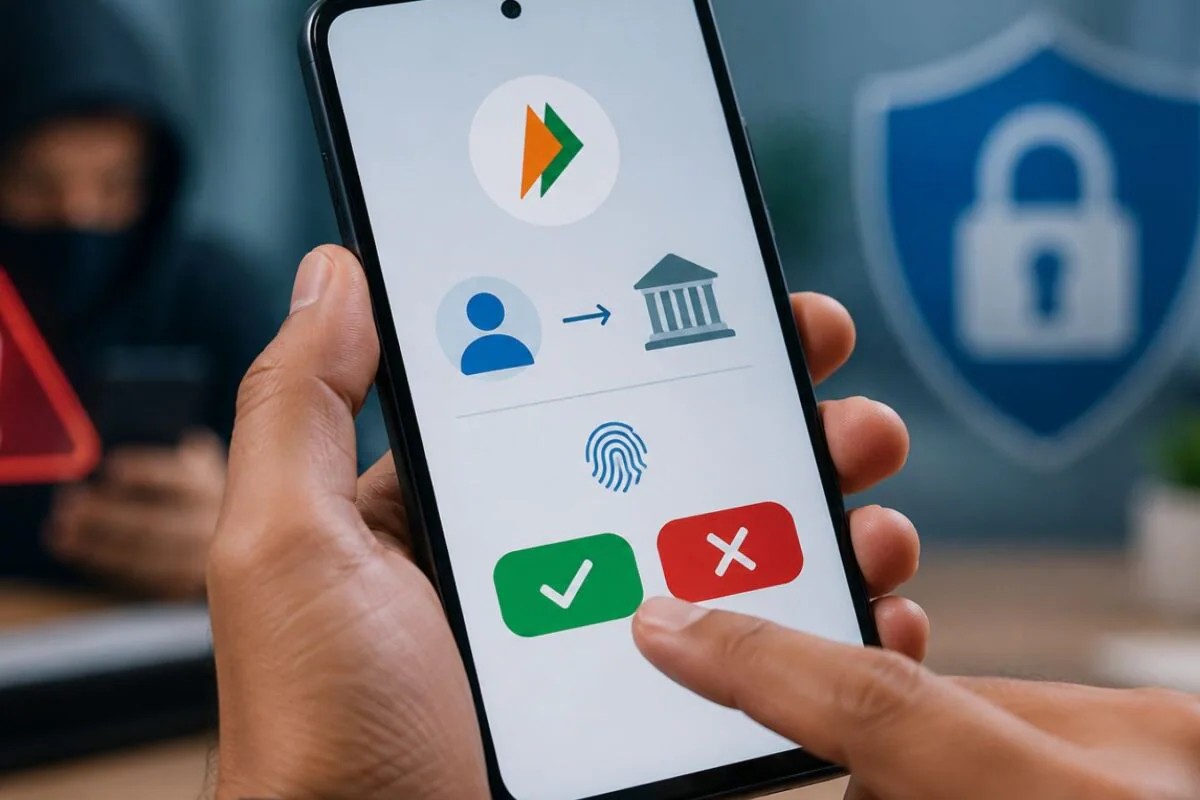
As digital payments rapidly increase across the country, cyber frauds involving fake calls, deepfake identities, and extortion have also surged. In response to a discussion paper released by the Reserve Bank of India (RBI) aimed at curbing these issues, major banks in the country have made a crucial proposal. They suggested introducing a confirmation prompt on the app before money is credited during Person-to-Person (P2P) transactions. If the user selects ‘Yes’, the funds will be credited instantly. If they tap ‘No’, the transaction will be canceled. In cases where the user provides no response, the system is designed to delay the credit to the recipient’s account by one hour instead of canceling it entirely.
However, banks do not intend to implement this prompt for every standard transaction exceeding ₹10,000. To prevent any disruption to everyday digital payment habits, they want to restrict this feature exclusively to unusual or suspicious transactions. Examples include transferring large sums of money late at night, such as at 2:00 AM, or suddenly sending funds to a completely new account that the customer has never transacted with before. Banks proposed this alternative approach due to concerns that unconditionally delaying every transaction by an hour might frustrate users and push them back toward cash transactions.
On the other hand, the National Payments Corporation of India (NPCI), which oversees domestic digital payment systems, has reportedly expressed objections to the idea of delaying fund credits. The NPCI argued that most people in the country are already accustomed to the lightning speed of UPI payments, and there is no need to mimic the stringent regulations of other countries. Furthermore, the NPCI clarified that a one-hour delay would not be effective in preventing investment frauds involving mule accounts, where both the payer and payee are often complicit. Crucial discussions are currently ongoing among the RBI, banks, and the NPCI to figure out how to effectively restrict cybercriminals without compromising the speed and convenience of digital payments.
Related News

BenQ Unveils “MOBIUZ Game Art Museum” Experience at Tokyo Game Show 2026

Dreame Technology Launches Flagship X60 Ultra Complete Robot Vacuum in India

Turtle Wax Marks 80 Years of Global Leadership as CEO Laurie King Visits India to Accelerate Expansion Plans

Hyundai Motor India Opens Bookings for the New Intelligent Utility Vehicle, Hyundai BAYON

Telangana AI Summit 2026 Drives State’s Vision to Become a Global Artificial Intelligence Hub