
U.S. Immigration Roundup: What Indian NRIs Should Watch in Q2 2026
- Published By: Tech Team
- July 4, 2026 / 09:30 AM IST


June 2026 brought several immigration developments that matter directly to Indian NRIs, especially those in employment-based green card lines and those considering U.S. citizenship. The biggest themes were green card retrogression, tighter processing conditions, and a likely increase in naturalization costs.
Green Card Backlogs Deepen
The June 2026 Visa Bulletin brought another setback for Indian applicants in EB-1 and EB-2. EB-1 India retrogressed to December 15, 2022, while EB-2 India moved back to September 1, 2013, extending wait times for many high-skilled professionals and executives. In practical terms, this means even well-advanced cases may face delays in filing or final approval.[1][2]
A separate development added to the pressure: the annual EB-2 immigrant visa limit for Indian-born applicants was reported as fully used for FY 2026. That means fewer options remain for consular issuance and immigrant visa movement until the next fiscal year.[3]
Citizenship Costs May Rise
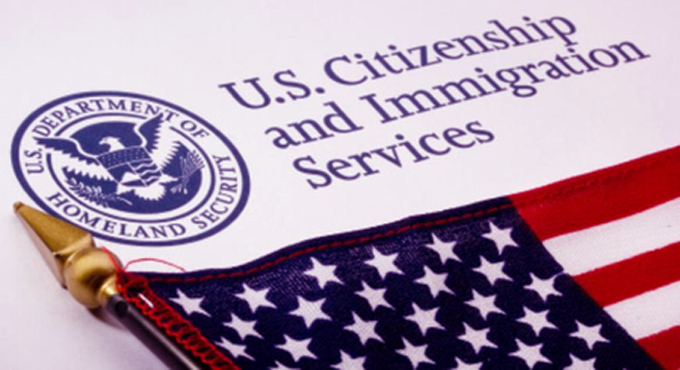
The Department of Homeland Security proposed higher naturalization fees and removal of fee waivers. If adopted, the new structure would raise the cost of applying for U.S. citizenship and could make the process harder for lower-income applicants. For many Indian immigrants who are close to naturalization eligibility, this is a meaningful cost change.[4]
H-1B and Permanent Residence Pressure
Late-June reporting indicated stricter U.S. immigration handling for H-1B and green card cases, especially for Indian tech professionals and students. The practical impact is likely to be more scrutiny, more documentation requests, and less predictability in case timing. For NRIs in the U.S. on temporary work status, that raises the stakes for planning transitions to permanent residence.[5][6]
Diplomatic Attention
The policy shifts have also drawn attention at the diplomatic level. India’s external affairs minister raised immigration concerns with U.S. Secretary of State Marco Rubio in early June, underscoring how significant these changes are for Indian nationals and families tied to U.S. immigration pathways.[7]
What This Means
For Indian NRIs, Q2 2026 was not a relief quarter. The dominant message is longer waits, higher costs, and more careful case management. Those in EB-1 and EB-2 should closely track priority dates and filing chart movement, while naturalization candidates may want to factor in the possibility of higher filing costs.
Related News
Lt. Governor Aruna Miller Signs Maryland-Korea Agreement to Advance Quantum Innovation

Bay Area Prepares for Grand Financial Services Business Opportunity Event in Fremont
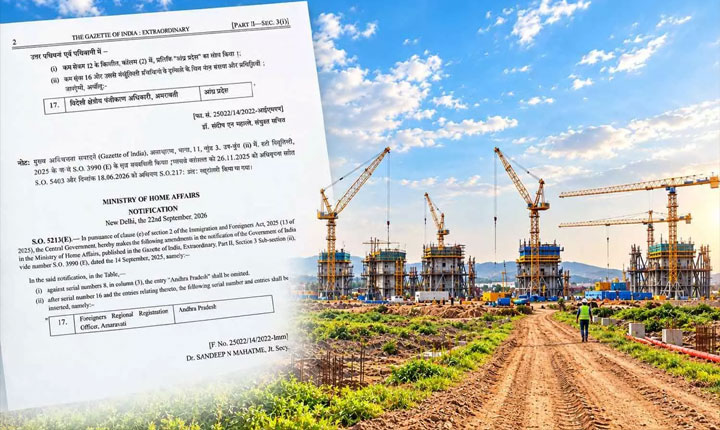
Centre Grants Dedicated Foreigners Regional Registration Office (FRRO) to Amaravati
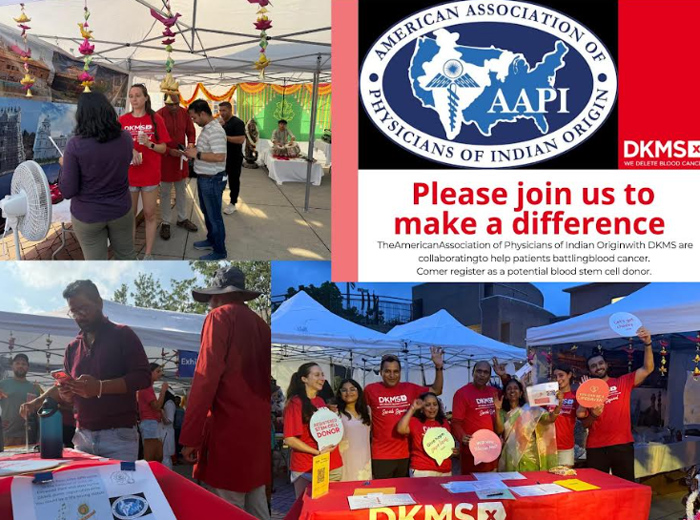
AAPI’s National Stem Cell Donor Drive Gains Momentum as Youth-Led Movement Expands Across U.S. and India

25,000+ Devotees to a spectacular Bay Area grand Ganesh Festival in San Ramon