

AAPI Under the Leadership of Dr. Amit Chakrabarty: A Year of Unity, Advocacy, Innovation, and Global Impact
- Published By: Tech Team
- September 10, 2026 / 10:40 AM IST


Introduction
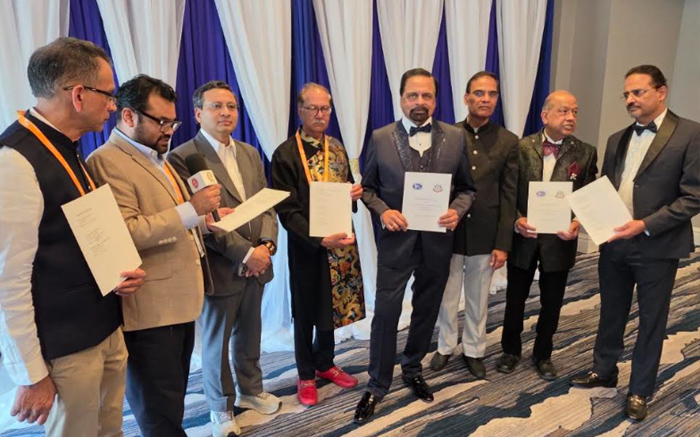
The American Association of Physicians of Indian Origin (AAPI), representing more than 120,000 physicians, residents, fellows, and medical students of Indian origin across the United States, has long stood as one of the most influential ethnic medical organizations in America. Since its founding, AAPI has served as a professional home, advocacy platform, and leadership incubator for generations of Indian-origin physicians whose contributions have profoundly shaped American healthcare. During the past twelve months, under the leadership of President Dr. Amit Chakrabarty, AAPI experienced a period of renewed energy, institutional growth, strengthened advocacy, and expanding global relevance.
When Dr. Chakrabarty assumed office during AAPI’s 43rd Annual Convention in Cincinnati in July 2025, he inherited an organization with tremendous potential but also significant challenges. Healthcare systems were facing workforce shortages, physician burnout had reached unprecedented levels, immigration barriers continued to affect international medical graduates, and professional organizations across America were grappling with member engagement and generational transitions. Dr. Chakrabarty responded with a leadership vision founded on unity, transparency, inclusion, and service
In his inaugural remarks, he offered a message that would define his presidency:“Today marks a sacred beginning, one that is not only about taking oath, but about embracing purpose. With this new chapter, we honor our heritage, step forward with courage, and vow to lead with integrity.”
In the past 12 months, that commitment translated into measurable accomplishments across advocacy, education, leadership development, international collaboration, and organizational strengthening.
A Leader Shaped by Service
Dr. Amit Chakrabarty’s presidency was rooted in nearly three decades of service to AAPI. Since joining the organization in 1997, he served in multiple leadership positions, including Governing Body Member, Board of Trustees Member, Secretary, CME Chair, and numerous executive roles. This extensive institutional experience provided him with a nuanced understanding of AAPI’s strengths, challenges, and future opportunities.
Professionally, Dr. Chakrabarty built a distinguished career as a urologist, serving as Consultant Urologist at Urologic Clinics of North Florida, former Chairman of Urologic Clinics of North Alabama, and Director of the Center for Continence and Female Pelvic Health. Beyond medicine, he earned respect as a humanitarian through his involvement in COVID-19 relief efforts, particularly his work coordinating oxygen concentrator support and healthcare assistance to communities in India.
His broad experience helped shape a presidency focused not merely on organizational management, but on mission-driven leadership.
Unifying AAPI Around a Common Vision
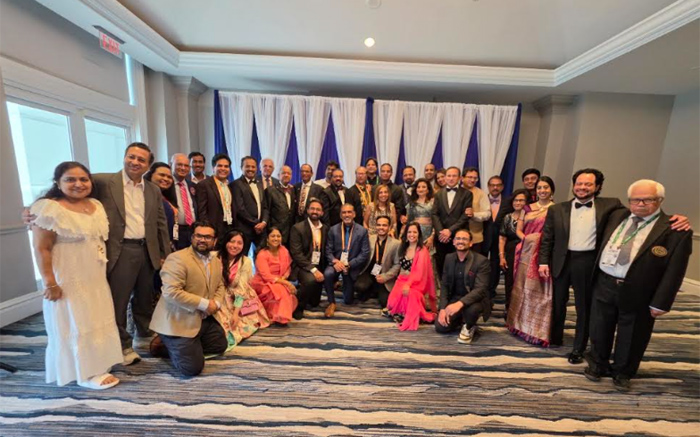
Perhaps the defining accomplishment of the Chakrabarty presidency was the conscious effort to foster unity within AAPI.
Indian-American physicians represent diverse regions, languages, cultures, specialties, and generations. While this diversity is one of AAPI’s greatest strengths, it can also create fragmentation. Recognizing this reality, Dr. Chakrabarty made organizational unity the central theme of his administration.
In his first presidential statement, he declared: “I am committed to unify AAPI by breaking down the barriers of various regions, languages, and medical education within the organization and bringing everyone together as a whole organization rather than separate fragments.”
This commitment was reflected through extensive outreach to local chapters, regular communication with members, enhanced accessibility of national leadership, and greater transparency in governance processes. His administration encouraged dialogue across generations and specialties while emphasizing that AAPI’s collective strength depends on a shared sense of purpose rather than individual interests.
As a result, member engagement increased, chapter relations strengthened, and organizational cohesion improved significantly during the year.
Strengthening Physician Advocacy and Political Influence
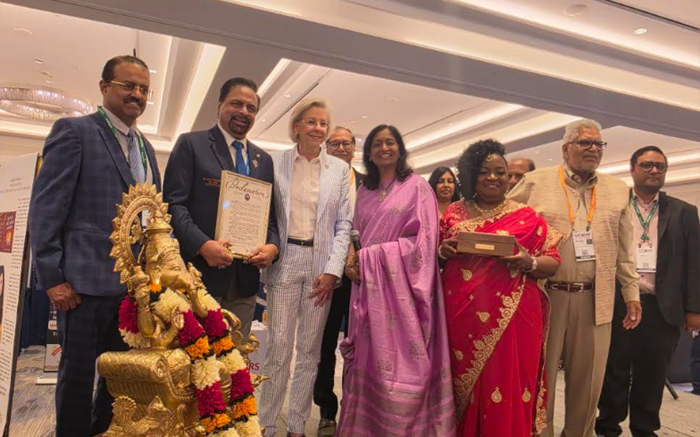
One of the most consequential achievements of the past year was AAPI’s expanded role as an advocate for physicians and patients.
Dr. Chakrabarty emphasized that healthcare policies should not be shaped without the voices of practicing physicians. Under his leadership, AAPI sought to elevate its visibility in Washington, D.C., while strengthening its ability to influence policy discussions affecting healthcare delivery and physician welfare.
Among the administration’s primary advocacy priorities were:
- Physician burnout and wellness
- Healthcare workforce shortages
- Immigration reform
- Green card backlog relief
- International Medical Graduate (IMG) support
- Increased physician representation in policymaking
- Strengthening AAPI’s Political Action Committee (PAC)
Dr. Chakrabarty frequently reminded members that professional excellence alone was insufficient without active civic engagement. “Our voice must be stronger, our advocacy bolder, and our unity deeper than ever before.”
Perhaps the most tangible advocacy success involved visa and immigration support for medical professionals. Working with government officials and stakeholders, AAPI helped facilitate access for over 165 physicians and trainees seeking entry to the United States under J-1 visa programs.
According to Dr. Chakrabarty: “The first day I was here, we got 165 people into this country because of that.”
The administration also launched and strengthened IMG-focused initiatives, including Observership opportunities, research support programs, and mentorship pathways designed to help international graduates integrate successfully into American healthcare systems.
Investing in Future Physician Leaders
AAPI’s future ultimately depends on the next generation of physicians. Recognizing this reality, Dr. Chakrabarty placed extraordinary emphasis on leadership development among Medical Students, Residents, Fellows, and Young Physicians.
Throughout his presidency, Dr. Chakrabarty advocated for greater representation of younger members in organizational governance and convention programming. The Young Physicians Section (YPS) expanded its role, while Medical Students, Residents, and Fellows (MSRF) gained increased visibility and access to leadership opportunities.
His philosophy was clear: “We must invest heavily in the Medical Student/Residents and Young Physician section and give them leadership roles in mainstream AAPI. Without them, there will be no AAPI in 20 years.”
Under his leadership, young investigators received greater opportunities to present research, participate in scientific sessions, and engage with senior leaders. These efforts helped establish a stronger pipeline of future physician leaders within the organization.
Excellence in Medical Education and Scientific Advancement
Education remained at the heart of AAPI’s mission throughout the Chakrabarty presidency.
Building upon his extensive experience as a former CME Chair, Dr. Chakrabarty championed scientific programming that addressed both emerging technologies and practical challenges facing physicians. Educational initiatives during the year attracted distinguished faculty, healthcare executives, academic leaders, and researchers from across the world.
The scientific agenda focused on contemporary areas including:
- Artificial Intelligence in Medicine
- Lifestyle Medicine
- Primary Care
- Cardiology
- Women’s Health
- Substance Use Disorders
- Human Microbiome Research
- Healthcare Innovation and Digital Health
These educational offerings reinforced AAPI’s reputation as a premier destination for continuing medical education while ensuring that members remained at the forefront of rapidly evolving healthcare developments.
The Landmark Global Health Summit in Odisha
One of the defining accomplishments of the year was the successful organization of AAPI’s 19th Global Health Summit in Bhubaneswar, Odisha, India.
Hosted from January 9–11, 2026, the summit brought together more than one hundred physician leaders from the United States and nearly five hundred participants from India, including clinicians, educators, researchers, public health experts, and policy leaders. It was the first AAPI Global Health Summit held in Odisha and represented a major milestone in Indo-American healthcare collaboration.
Opening the summit, Dr. Chakrabarty emphasized its broader significance: “Global Healthcare Summit 2026 reflects AAPI’s unwavering commitment to elevating global health standards. When experts from two of the world’s most dynamic healthcare systems come together, the impact extends far beyond conference halls. It reaches communities, hospitals, and future generations.”
The summit addressed critical health issues including cancer prevention, cardiovascular disease, emergency medicine, AI-enabled healthcare, medical education, and healthcare workforce development.
Major initiatives launched or expanded during the summit included:
- Mass CPR training for approximately 1,000 students
- Emergency and resuscitation medicine workshops
- AI-assisted clinical education programs
- Stem cell donor registration campaigns
- HPV vaccination awareness efforts
- Women in healthcare leadership forums
- Public health outreach and capacity-building initiatives
The summit reinforced AAPI’s growing role as a bridge between healthcare systems in the United States and India.
AAPICON 2026: Celebrating Achievement, Leadership, and the Future of AAPI
AAPICON 2026 in Tampa, Florida, marked the culmination of Dr. Amit Chakrabarty’s year-long vision to strengthen AAPI through medical education, physician advocacy, leadership development, philanthropy, and global health collaboration. Bringing together more than a thousand physicians, researchers, healthcare leaders, educators, trainees, and medical students, the convention highlighted AAPI’s growing influence as a leading national and international healthcare organization.
A central focus of the convention was educational excellence. Comprehensive Continuing Medical Education (CME) programs addressed emerging and critical topics such as Artificial Intelligence in Medicine, Lifestyle Medicine, Cardiology, Primary Care, Substance Abuse, and Human Microbiome Research. Young Physicians, Medical Students, Residents, and Fellows played prominent roles as presenters and discussion leaders, reflecting AAPI’s commitment to nurturing the next generation of physician leaders.
The event also advanced AAPI’s global health mission through landmark initiatives. The launch of the AAPI Global Foundation created a platform to support international healthcare projects, medical education, disaster relief, and community outreach. In addition, a new collaboration with the Reliance Foundation strengthened Indo-U.S. healthcare cooperation in areas including rural healthcare, women’s and children’s health, telemedicine, preventive care, and capacity building.
Beyond scientific programming, AAPICON 2026 emphasized physician wellness, leadership development, and healthcare innovation through CEO roundtables, leadership forums, women’s leadership programs, mindfulness sessions, and policy discussions. The convention promoted a holistic approach to healthcare leadership that values professional excellence, personal wellbeing, and service to society.
In his presidential address, Dr. Chakrabarty emphasized that AAPI’s success is rooted in collective purpose rather than individual leadership. He reaffirmed that the organization’s future depends on unity, collaboration, and shared commitment to service. The convention also demonstrated a smooth leadership transition while maintaining organizational momentum and cohesion. By blending scientific advancement, leadership development, philanthropy, and global engagement, AAPICON 2026 celebrated the achievements of the Chakrabarty administration and reinforced AAPI’s position as the leading voice of physicians of Indian origin in the United States.
Expanding Humanitarian and Global Health Initiatives
Throughout the year, AAPI continued to build upon its tradition of service beyond clinical practice. Programs such as the AAPI Stem Cell Initiative, health outreach activities, CPR training efforts, and family medicine projects continued to expand under Dr. Chakrabarty’s leadership. The administration also strengthened partnerships aimed at improving healthcare access, educational capacity, and public health outcomes in underserved communities.
These initiatives reflected Dr. Chakrabarty’s belief that physicians have responsibilities extending beyond hospitals and clinics. “Leadership is not found in titles but in actions.”
This philosophy became a recurring theme throughout the administration’s humanitarian and outreach efforts.
Conclusion
The twelve-month tenure of Dr. Amit Chakrabarty as President of AAPI represents one of the most consequential periods in the organization’s recent history. Through a leadership approach grounded in unity, transparency, advocacy, education, and service, he successfully strengthened AAPI’s institutional foundation while expanding its influence nationally and internationally.
Among his most significant accomplishments were the unification of the organization around a shared vision, stronger physician advocacy efforts, meaningful support for international medical graduates, expanded opportunities for young physician leaders, internationally recognized educational programming, the highly successful Global Health Summit in Odisha, and the enhancement of AAPI’s profile as a leading voice in healthcare.
Most importantly, Dr. Chakrabarty reaffirmed a principle that has guided AAPI throughout its history: that the collective strength of Indian-origin physicians can be harnessed not merely for professional advancement, but for improving healthcare, advancing medical knowledge, and serving communities around the world. His presidency leaves behind a legacy of unity, innovation, and purposeful leadership that will continue to influence AAPI for years to come.
Related News
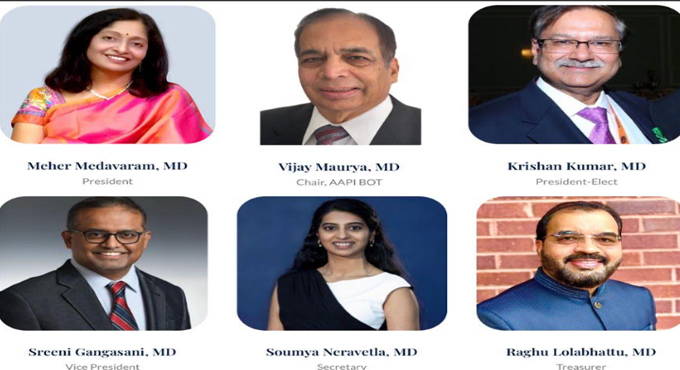
AAPI Urges Physicians Fraternity to Express Opposition to CY 2027 Medicare Physician Fee Schedule

Women Empowerment Telugu Association (WETA) Bathukamma and Dasara Celebrations 2026
Telugu Times announces induction of two Directors into its Board
Ilaiyaraaja Captivates Phoenix as Music and Service Come Together

NCAIA (VA-HQ) Initiative to Support Nepal Flood Relief Efforts