
Full Movie on Twitter! Is Elon Musk Ready to Checkmate OTT Platforms?
- Published By: Tech Team
- July 1, 2026 / 07:25 PM IST


— Surya Prakash Josyula
“A movie releases in theaters… and then it arrives on OTT.”
For the longest time, this is the only cinematic journey audiences have known. However, a completely unprecedented event has just unfolded in Hollywood. A controversial film that faced severe distribution hurdles in Germany was streamed in its entirety for 48 hours by the world’s richest man, Elon Musk, directly on his platform X (formerly Twitter).
This incident has triggered a massive global debate: “Is X just a social media platform, or is it the OTT platform of tomorrow?”
What is this movie all about? Why did it spark a row in Germany? Why did Elon Musk decide to showcase it to the world? What are the politics and business strategies operating behind this entire affair?
One Movie… Four Major Debates
If we view this story merely as a film controversy, we miss the bigger picture. This event involves Elon Musk’s core philosophy, intense politics, a shrewd business strategy, and a fundamental question about how movies will be distributed in the future. This is why the developments surrounding the film have generated far more buzz globally than the movie itself. The convergence of all these elements has suddenly thrust Citizen Vigilante into the international spotlight.
Why Did Elon Musk Put It on X?
Elon Musk has long described himself as a “Free Speech Absolutist.” He strongly believes that as long as content does not violate the law, governments and institutions should not suppress it. Consequently, he frequently responds publicly to issues concerning censorship.
His overt stance is that if governments, censor boards, or big tech companies block content, X should serve as the ultimate alternative stage for it.
Since Citizen Vigilante failed to secure the necessary rating for a standard release in Germany, severe restrictions were placed on its screening. Within days of director Uwe Boll highlighting this issue, Musk made the full length movie available on X for a 48-hour window.
With this move, he intended to send a clear, defiant message:
“Even if governments stop it… you can still watch it on X.”
What is Elon Musk’s Actual Plan?
Musk did not just stream a movie for free; there is a massive business mind game at play here:
Direct Competition to YouTube: Musk’s long-term vision is to transform X from a social media application into a comprehensive video and entertainment hub.
Bait for Content Creators: If major feature films begin releasing directly on X, independent creators and small-scale producers will no longer need to chase traditional theaters and OTT giants.
A Shockwave in the Trade Market: The intense 48-hour hype generated on X successfully pushed the film to the Number 1 spot in digital purchases on Apple TV and Amazon Prime Video. In essence, X proved its power as an unparalleled promotional engine!
How Does This Benefit X?
On the surface, this might look like a mere movie promotion. However, from a business perspective, it translates into massive publicity for X.
Global Free Publicity for X: Thousands of new users flocked to X just to watch the film, driving a massive surge in both traffic and user engagement.
A Brand New Image for X: Until now, Twitter was synonymous with text posts. Now, Musk has successfully planted a new idea in the public consciousness: “You can watch full-length feature films here.”
A Challenge to OTTs?: At a time when Netflix, Prime Video, and Disney are viewed as the final destination for movie releases, this event forces a critical question: “Will X become the next major release platform?”
The Ultimate Haven for Controversial Content: Industry analysts suggest Musk is positioning X as an alternative platform for films that mainstream studios or traditional media shy away from.
What is the Movie Story?
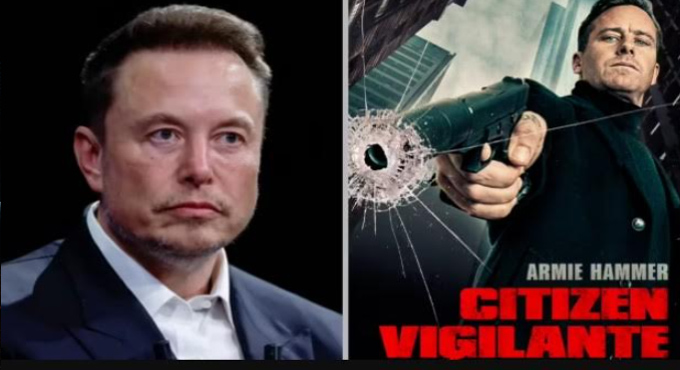
The film stars Armie Hammer as Michael Sanders, an American military veteran. He travels to Croatia to oversee his father’s business empire. Witnessing rising crime rates and systemic failure, a frustrated Sanders takes the law into his own hands. He begins hunting down and killing criminals. By broadcasting his vigilante actions on social media, he turns into a hero for some, and a highly dangerous entity for others. This is where the core controversy of the film ignites.
Why the Controversy?
According to critics, the film features highly negative depictions of immigrants and appears to glorify extreme violence. On the flip side, director Uwe Boll maintains, “We only showed what people actually think in their hearts but fear to say out loud.”
Essentially, while one faction labels the film an “uncomfortable truth,” the other calls it “dangerous propaganda.” This divide has elevated the film from a standard thriller into a massive political discourse.
Why Did Germany Refuse It?
The German Censor Board (FSK) refused to grant a rating to the movie. The lack of a rating effectively blocked its standard theatrical release in the country due to:
Extreme Violence: The film contains highly graphic brutality and harsh action sequences.
Anti-Immigrant Rhetoric: By framing a vigilante storyline around the premise that rising crime in Europe is driven by immigrants, the movie drew heavy backlash.
Why Did Elon Musk Intervene?
This is the real twist in the tale. Musk has consistently been vocal on X about free speech, government censorship, immigration issues, and European politics. Therefore, political analysts believe that hosting this movie on X was not a casual favor to a filmmaker, but a calculated stance aligned with his own socio-political views.
Another Intriguing Factor…
This film marks a critical juncture for Armie Hammer. Following severe allegations of sexual assault, his Hollywood career suffered a devastating blow. Although a lengthy investigation took place, no criminal charges were ultimately filed against him. This movie had already made headlines as his first major comeback project after that hiatus, and Elon Musk’s intervention on X has now amplified that publicity manifold.
Food for Thought
Elon Musk’s bold step has disrupted traditional distribution models and sparked a fresh debate within the film industry. This incident raises a monumental question:
What if tomorrow, our Telugu producers decide to bypass Netflix and Prime Video to release a new film directly on X? Could this emerge as an excellent alternative for small-budget films that struggle to find theater slots?
Whether this remains a one-off event or marks the beginning of a trend where films actively choose social media platforms for direct releases remains to be seen.
Conclusion
A movie does not always need massive box-office collections to become the talk of the town globally. Sometimes, a raging controversy, a political debate, and an Elon Musk are more than enough. Right now, the world’s gaze is no longer just on Citizen Vigilante, but on what X intends to do next.
Related News
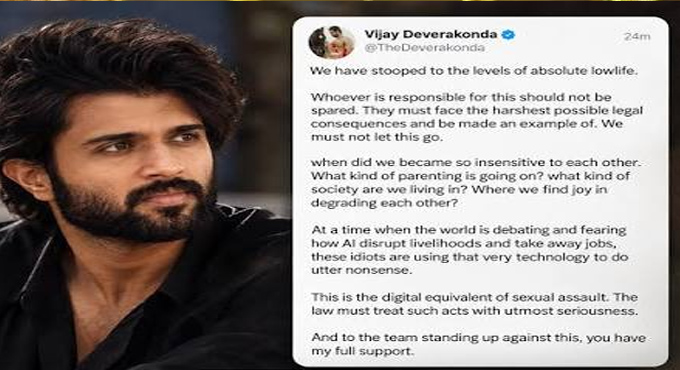
Vijay Deverakonda Stands in Support of NTR, Says “We Are Hitting an All-Time Low in Human Values”
“Chakkora – Lunar Love Bird” Team Reflects Sincerity and Passion: Shiva Nirvana
“Matsya” Glimpse Surpasses 15 Million Views
Bhogi Unveiled Through High Intense Teaser
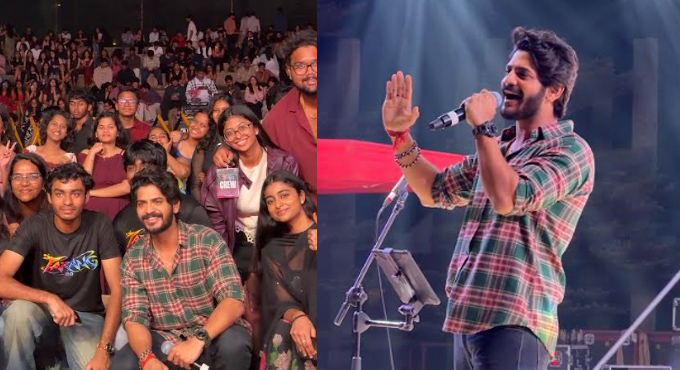
‘Crazy Kalyanam’ ‘Ala Sendravanka’ Song Launched Amid Woxsen University Students’ Celebrations