
‘I Want Your Sex’: The Shocking Story Behind the Film.. The Writer Turned Her Own Life Into a Movie!
- Published By: Tech Team
- August 31, 2026 / 10:36 AM IST


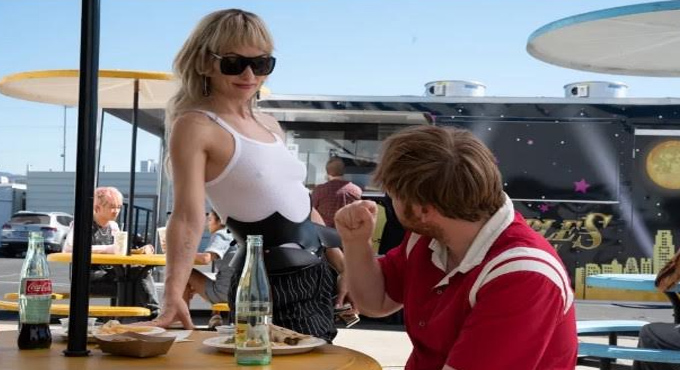
Olivia Wilde’s new film ‘I Want Your Sex’ has recently hit theatres, and the response has been as interesting as its bold title. Many critics have liked the film, with Wilde’s performance getting special praise. On Rotten Tomatoes, the film currently has a 91% critics’ score. But not everyone is equally impressed. While some critics have called it funny, smart and provocative, others feel that the story loses some of its energy in places.
But forget the reviews for a moment. There is an even more fascinating story behind this movie.
The writer, Karley Sciortino, did not simply imagine this story. She took inspiration from a relationship she experienced in her own life and turned it into a screenplay. And here is the surprising part: she wrote that script 13 years ago. It took more than a decade for that personal story to finally reach the big screen.
So, what exactly happened?
This writer has always had a different story to tell!
For Karley Sciortino, writing was never just a job. She liked talking about the things most people would rather avoid.
Around 20 years ago, while living with a group of young artists in London, she started a blog called ‘Slutever’. This was long before social media became the giant it is today. Sharing your personal life publicly was still a pretty bold thing to do.
Sciortino simply did not care.
She wrote about her roommates’ relationships, her own experiences and almost everything happening around her. Later, she even spent a year working as an assistant to a dominatrix. She interviewed cam girls and escorts and wrote openly about dating, relationships and sex.
Her attitude was simple: if something looked like a bad idea but could turn into a good story, why not try it?
That fearless approach became her trademark.
When a woman wrote about sex, people called it ‘trashy’
Today, social media is full of people talking openly about dating, relationships and sex. Instagram, YouTube, podcasts — everyone has something to say.
But when Sciortino started writing, things were very different.
A woman openly writing about her sex life was often not taken seriously. Instead of calling it honest or bold, people were more likely to call it “trashy”.
Sciortino kept going anyway.
Her blog eventually became a web series and later a TV show. In 2012, she got another big break when she was invited to write a sex column for Vogue.
Even there, the subject was treated with a little caution. Inside the magazine, her column was jokingly called the “emotional health column” because talking openly about sex was still not considered particularly “chic”.
Readers, however, loved her writing.
Why?
Because she was not simply trying to shock people. She was talking openly about things people usually whispered about.
And that became her biggest strength.
Here comes the real twist!
In 2013, Sciortino wrote a screenplay based on a relationship from her own life.
She had been involved with an editor who was much older than her. The experience changed the way she looked at her own sexuality. Instead of feeling ashamed of it, she began to see it as a part of what made her interesting.
So she turned that experience into a story.
The screenplay eventually reached acclaimed independent filmmaker Gregg Araki. He liked the idea, and the two began trying to get the movie made.
But Hollywood had other plans.
The money did not come together. The project stalled. And the script sat around for years.
It was one of those stories that seemed destined to remain a screenplay forever.
Until 2023.
Thirteen years later, the story got a major makeover
When Araki returned to the project in 2023, he suggested a big change.
The original story had a young woman involved with an older man. Now they decided to reverse the setup.
The new story would focus on a millennial woman and a much younger Gen Z man.
Suddenly, the old screenplay had a completely new meaning.
It was no longer just about one unusual relationship. It could now explore how attitudes toward sex and dating had changed between generations.
Millennials vs Gen Z: Something clearly changed
According to Sciortino, millennials were among the first generations to grow up with internet pornography everywhere.
For many millennials, sexual freedom was almost a form of rebellion. Breaking traditional ideas about how women should behave, how relationships should work and what sex should mean felt exciting.
The attitude was almost:
Life is short. Experiment. Make mistakes. Figure things out.
But Gen Z seems to be taking a different approach.
Many young people today are more cautious about dating and relationships. They think more about safety, boundaries and emotional consequences before getting involved with someone.
And that difference became an important part of the film.
Sciortino finds this change fascinating, although she admits that it can also make her a little sad.
Her question is simple: if we tell young people to take risks, make mistakes and learn from them in every other part of life, why do we become so fearful when it comes to sex?
Even the writer herself took a break
There is another interesting twist in Sciortino’s own life.
The woman who spent years writing about sex and relationships recently stepped away from dating and sex herself.
In March this year, she wrote about being 40, single, without children and having gone seven months without sex.
And, of course, she described the whole thing with her trademark humour.
She joked that at almost any other point in history, being 40, single and seven months without sex would have made her look like a tragic figure.
But in 2026?
She suggested that it might actually make her look trendy.
That joke says a lot about how much attitudes have changed.
So, is this really just a sex comedy?
Not really.
The title ‘I Want Your Sex’ may immediately make you think this is simply a provocative romantic comedy.
But underneath the bold title is a much more interesting question:
Why did one generation see sexual freedom as exciting, while another generation is becoming much more cautious about it?
That is where the film gets interesting.
It is about attraction, relationships and sex, yes. But it is also about changing attitudes, changing generations and the way people understand intimacy.
In the film, Olivia Wilde’s character Erika tells her 25-year-old lover that sex is deeply important — something that can shape who we become.
Later, she looks at it differently and says:
“Sex is everything. It’s also nothing.”
That line almost sums up Sciortino’s journey too.
She spent years writing about other people’s private lives. Then she took one of the most personal experiences of her own life and turned it into a screenplay.
It took 13 years for that story to become a movie.
And in those 13 years, something else changed.
The world changed. Dating changed. Young people changed. And the way society looks at sex changed.
That is what makes ‘I Want Your Sex’ more than just a bold-titled movie.
It is, in many ways, the story of one woman’s personal experience becoming a reflection of how an entire generation has changed.
—Surya Prakash Josyula
Related News

Hero Mahesh Sriram’s Hollywood Film ‘Cowboy and Indian’
‘Toxic’ Gets a Second Chance? Can a Shorter Cut Change Its Fate?

Trump’s Announcement Has Hollywood Cheering. Here’s What Happened

Is This Newcomer the Next James Bond? What Makes Jack Barton Stand Out?
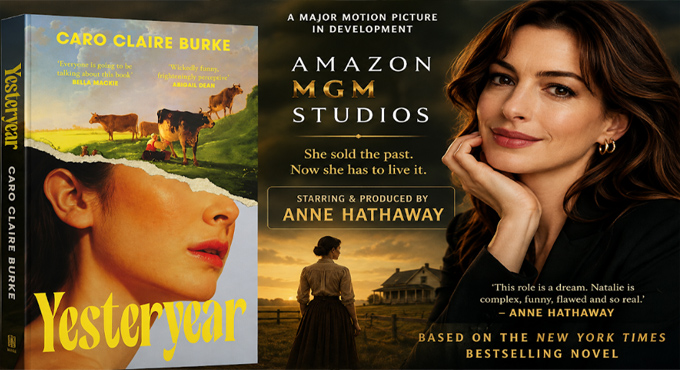
Hollywood Buys Film Rights to Sensation Novel Before Its Release: What Is the Story?