
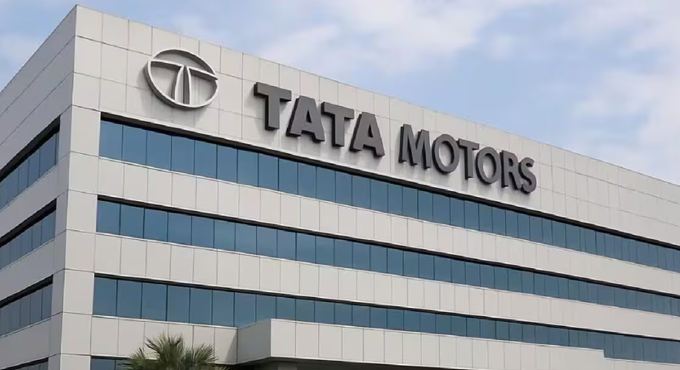
Tata Motors Bets Big on Software-Defined Vehicles with Nvidia Partnership
- Published By: Tech Team
- June 20, 2026 / 09:05 AM IST


The future of driving is no longer just about horsepower and engine displacement. Tata Motors is actively steering the Indian automotive sector toward a tech-first approach, developing a proprietary software architecture named ‘t.idal’. This move positions the homegrown automaker to launch Software-Defined Vehicles (SDVs), where digital code dictates performance, safety, and entertainment features. The highly anticipated ‘Sierra’ SUV will be the first vehicle built on this cutting-edge platform.
Smartphones on Wheels: The Power of Over-the-Air Updates
By decoupling vehicle software from the physical hardware, the ‘t.idal’ framework changes how ownership works. Much like updating a smartphone operating system, car owners can soon download new features, UI configurations, and critical security patches wirelessly via Over-The-Air (OTA) updates. This infrastructure means an SUV parked in a garage can receive updates to its infotainment setup, driver assistance systems, and overall safety parameters overnight without ever visiting a service center.
Nvidia AI Alliance and a ₹2,836 Crore R&D Push
To bring this digital ecosystem to life, Tata Motors has entered a strategic partnership with global tech heavyweight Nvidia. The collaboration centers on building artificial intelligence capabilities directly into the vehicles. This partnership focuses on three major elements:
Automated Driving & Parking: Developing intelligent driver assist mechanisms and automated, hassle-free parking setups.
Occupant Monitoring: Utilizing internal sensors to track passenger safety and driver alertness in real-time.
Heavy Financial Backing: Reflecting the scale of this project, Tata Motors poured an impressive ₹2,836 crore into research and development (R&D) during the 2025-26 financial year alone.
Dominating the EV and CNG Markets
Beyond the digital realm, the automaker continues to dominate the green mobility sector through its multi-powertrain strategy, balanced across petrol, diesel, CNG, and electric options.
Recent sales numbers validate this diversified approach. Tata Motors firmly holds the top spot in the domestic electric vehicle market with a commanding 40.2% market share. Over the course of the fiscal year, the brand delivered over 170,000 CNG units alongside 92,000 electric vehicles. With a robust product pipeline, integrated software systems, and rising consumer demand for SUVs and eco-friendly alternatives, the company expects to maintain its strong sales momentum into the upcoming fiscal year.
Related News
Ageas Federal Life Insurance Launches ‘Aurum Advantage’ GIFT City’s First Multi-Currency Life Insurance Plan
CDSL Launches ‘Reimagine Ideathon 2.0’ to Shape Financial Awareness and Cyber Safety Among Students

Smith & Jones Launches New Campaign Featuring Rasika Dugal to Help Consumers Evaluate Ginger Garlic Paste

ISWAI Report Highlights Indian Alcoholic Beverage Industry’s ₹6.2 Lakh Crore Economic Value and Massive Fiscal Contribution

Anandana – The Coca-Cola India Foundation Launches First-Ever Waste Management Initiative at Tirupati Brahmotsavam 2026