
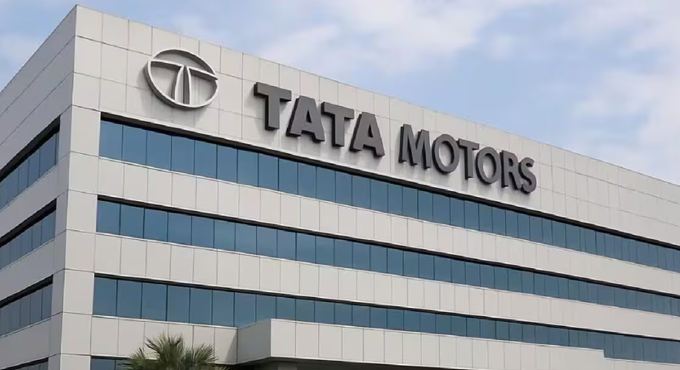
Tata Motors Accelerates EV Strategy with 4 New Models and 10+ Refreshes by FY31
- Published By: Phanindra
- July 2, 2026 / 11:08 AM IST


The Indian electric vehicle (EV) market is rapidly transitioning from a niche segment into the mainstream. According to the latest investor presentation from Tata Motors Passenger Vehicles, EV adoption has moved well past early tech adopters, with everyday mainstream car buyers now showing massive interest in switching to electric mobility.
To capture this shifting consumer base, the homegrown automotive giant has outlined an aggressive growth roadmap. Tata Motors officially aims to secure a dominant market share of over 30% within the domestic EV sector by the 2030–31 fiscal year (FY31).
Expanding the Garage: New Launches and Structural Updates
Tata Motors already boasts the largest electric portfolio in the country, featuring the Nexon.ev, Punch.ev, Curvv.ev, Harrier.ev, Tiago.ev, and the fleet-focused XPRES-T. To cement its market leadership, the manufacturer plans to launch four brand-new electric models alongside executing more than 10 comprehensive facelifts and model refreshes by FY31.
The upcoming vehicle pipeline will introduce highly anticipated next-generation architectures, including:
The Sierra.ev: The resurrection of an iconic nameplate engineered as a premium, fully electric SUV.
Avinya-Concept Models: High-end, global-spec vehicles built from scratch on Tata’s dedicated premium electric architecture.
Next-Gen Battery Tech: More Range, Faster Charging
To appeal to mainstream buyers who often battle “range anxiety,” Tata Motors is heavily upgrading its underlying powertrain engineering. The company’s upcoming generation of EVs will introduce massive technological leaps:
Extended Range: New models are being engineered to deliver 2 to 3 times the real-world driving range compared to current entry-level electric variants.
Rapid Charging: The upcoming high-voltage architectures will support three times faster charging speeds, significantly cutting down highway pitstop times.
Higher Energy Density: Engineers are integrating advanced battery cell chemistries that offer a 20% to 23% increase in energy density, allowing for lighter, more efficient battery packs.
By combining an aggressive fleet expansion with significant performance updates, Tata Motors is positioning itself to successfully anchor the next major wave of clean energy transition across India’s passenger vehicle landscape.
Related News

Ageas Federal Life Insurance Launches ‘Aurum Advantage’ GIFT City’s First Multi-Currency Life Insurance Plan
CDSL Launches ‘Reimagine Ideathon 2.0’ to Shape Financial Awareness and Cyber Safety Among Students

Smith & Jones Launches New Campaign Featuring Rasika Dugal to Help Consumers Evaluate Ginger Garlic Paste

ISWAI Report Highlights Indian Alcoholic Beverage Industry’s ₹6.2 Lakh Crore Economic Value and Massive Fiscal Contribution

Anandana – The Coca-Cola India Foundation Launches First-Ever Waste Management Initiative at Tirupati Brahmotsavam 2026