
Revisiting Dhirubhai Ambani’s Disruptive Rise: The Press and Corporate Wars of the Past
- Published By: shivaduvvuru
- June 29, 2026 / 12:53 PM IST


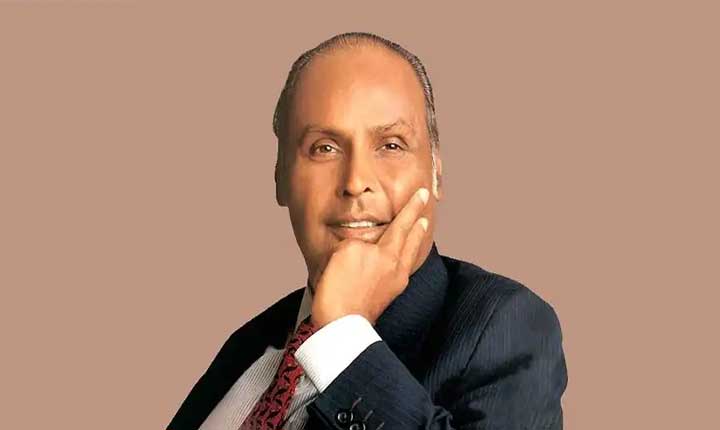
Dhirubhai Ambani: Before Reliance evolved into the sprawling technology and energy giant of today, its early expansion unfolded during a volatile era of corporate standoffs, intense press scrutiny, and a rigid regulatory landscape known as the “License Raj.”
Much of the popular retelling of this period draws on secondary biographical accounts, including journalist Hamish McDonald’s book The Polyester Prince a text that was withdrawn from official publication in India following legal objections from Reliance. Decades later, the fierce debates surrounding this era remain a fascinating masterclass in how early industrial giants operated within a heavily state-controlled economy.
Journalistic Disclaimer: The following sections summarize historic, widely publicized rivalries and media exposes from the 1980s. Reliance Industries has historically and consistently denied all allegations from this period, noting that multiple government inquiries never resulted in definitive legal or criminal convictions against Dhirubhai Ambani.
1. The 1982 Exchange Standby: The Dalal Street Squeeze:
In 1982, a powerful syndicate of short-sellers based in Kolkata reportedly made a concentrated bet against Reliance shares, expecting the stock price to plunge.
According to widely cited financial histories of the Bombay Stock Exchange (BSE), Dhirubhai executed an aggressive counter-strategy. Operating through an expansive network of investors, he systematically bought up massive volumes of the shares being dumped onto the market.
The decisive turning point occurred when Dhirubhai’s camp exercised their legal right to demand the *physical delivery* of the share certificates. Caught empty-handed without the actual paper assets, the short-sellers faced a severe squeeze. The resulting panic choked market liquidity so severely that the BSE was forced to shut down trading for several days.
To admirers, the maneuver was proof of brilliant defensive financial acumen. To skeptics, it raised immediate questions about the exact identities and capital sources of the offshore entities backing the buyback though the matter ultimately remained a subject of intense public debate rather than formal adverse judicial finding.
2. PTA vs. DMT: The Regulatory Rivalry with Bombay Dyeing:
The 1980s corporate landscape was heavily defined by a fierce commercial rivalry between Reliance Industries and Bombay Dyeing. The contemporary financial press often framed the feud as a cultural clash between “New Money ambition” and the “Old Guard business aristocracy” led by Nusli Wadia.
The battleground rested entirely on the manufacturing pipelines for polyester.
Because the state tightly regulated the economy, corporate survival depended heavily on government policy. Media accounts from the era detail how both houses aggressively lobbied for favorable fiscal adjustments. Critics alleged that Reliance used its rising political influence to persuade regulators to hike customs tariffs on the raw materials needed for DMT, while simultaneously lowering input duties for its own PTA operations. While defenders maintained that Reliance was simply advocating for more efficient manufacturing structures, the fierce policy skirmishes severely impacted Bombay Dyeing’s operational margins.
3. The “Spare Parts” Controversy and the Indian Express Crusade:
By the mid-1980s, India faced an acute scarcity of foreign exchange reserves. To protect dwindling U.S. dollar balances, the government strictly rationed import licenses, capping the scale of industrial machinery domestic firms could buy from abroad.
Media baron Ramnath Goenka used his flagship newspaper, The Indian Express, to launch a relentless investigative campaign against Reliance’s rapid scaling. The newspaper published prominent exposés alleging that Reliance was circumventing foreign exchange restrictions by aggressively “over-importing” manufacturing assets.
Specifically, The Indian Express alleged that Reliance imported entire, high-capacity chemical plants piece-by-piece from international suppliers like DuPont, intentionally mislabeling them as routine, lower-tariff “spare parts” or raw materials. Reliance strongly disputed these characterizations, pointing out that their expansion was aimed at achieving vital economies of scale. However, by the time government bureaus evaluated the claims, Reliance had successfully built massive manufacturing hubs that allowed it to produce polyester at volumes its competitors could not legally replicate.
4. Foreign Currency Loopholes:
When the state moved to restrict domestic credit lines for fast-growing conglomerates, Dhirubhai looked toward international structural incentives. To ease the nation’s severe dollar deficit, the Indian government had recently introduced a policy allowing Non-Resident Indians (NRIs) to invest hard foreign currency directly into domestic enterprises.
During this period, The Indian Express published its findings detailing a sudden, massive influx of capital into Reliance from obscure shell companies registered in the British crown dependency of the Isle of Man, bearing names such as Crocodile Investments. While critics and opposition lawmakers alleged these entities were merely fronts used to route domestic capital back into the country tax-free, the investments technically conformed to the broad, ambiguous legal frameworks of the newly minted NRI policies, shielding the company from formal legal penalties.
The Verdict: Visionary Maverick or Master System Operator?
Ultimately, Dhirubhai Ambani’s legacy splits India’s economic history into two distinct halves: Before Ambani and After Ambani. Whether his trajectory reads as an inspiring underdog success story or a cautionary chronicle of system navigation depends entirely on the analytical lens you choose to bring to it.
Related News

EV Charging Becomes a Seamless Part of Daily Life A New Travel Experience

Cleartrip Enters Holiday Packages Market with Flexible, Expert-Curated Itineraries

Truecaller Launches Scam Checker to Combat Digital Fraud with Community Intelligence
HDFC Mutual Fund Wraps Up Tirupati Leg of ‘Naari Nivesh Yatra’ to Boost Financial Literacy Among Women

Ai+ Smartphone Expands Festive Portfolio with Pulse 2 FE, NovaTab, and Nova LapTab