
GST Rules Threaten Future of Subscription-Based Ride-Hailing in India
- Published By: Tech Team
- June 10, 2026 / 03:54 PM IST


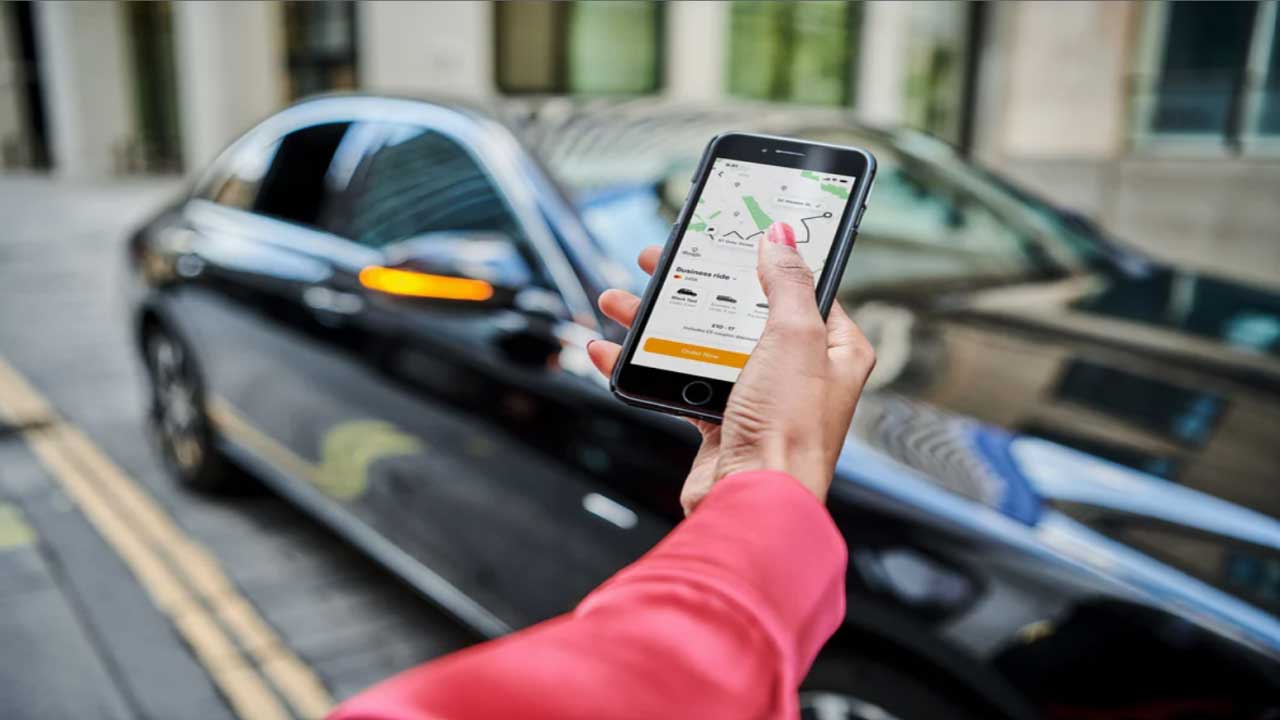
Ride-Hailing : A groundbreaking new report from the Esya Centre, titled Balancing Efficiency and Equity: Evidence From India’s Technology-Intermediated Transport Services Under The GST Regime, warns that applying current GST interpretations to subscription-based ride-hailing platforms could stifle innovation, erode driver livelihoods, and increase costs for millions of commuters.
The Shift to Subscription Models:
The study highlights a major evolution in India’s mobility sector. Unlike traditional aggregators that charge a percentage-based commission on every ride, emerging Software-as-a-Service (SAAS) models function as “discovery-only” lead generation platforms.
In this model, drivers pay a fixed subscription fee to access the platform while retaining full control over fare determination, payment collection, and the final earnings from each ride. Because the platform does not exert control over the transaction or pricing, the report argues that imposing GST liability under Section 9(5) of the CGST Act is both legally ambiguous and operationally impractical.
Key Research Insights:
The Esya Centre surveyed over 2,100 stakeholders (1,044 drivers and 1,059 passengers) across 13 Indian cities. The data reveals a clear preference for the subscription model:
Driver Preference: 86% of drivers use these platforms for lead generation, with 56% reporting that the subscription model leads to higher take-home earnings due to lower platform costs.
Economic Impact: If GST is applied to ride fares, over 75% of drivers expect a negative impact on their livelihoods, with 80% anticipating lower take-home pay.
Consumer Sensitivity: The study found significant price sensitivity, with 68% of passengers stating they would reduce their use of app-based services if fares rose by just 5%.
Risks of Regulatory Misalignment:
The report warns that current uncertainties, exacerbated by conflicting Advance Ruling Authority decisions across states, create a “patchwork” regulatory environment. This lack of tax neutrality threatens the growth of digital mobility.
“India’s mobility sector is evolving rapidly,” notes Meghna Bal, Director of the Esya Centre. “Our research indicates that subscription-led models are gaining traction because they offer greater earning predictability and transparency for drivers. As these models scale, it is important that regulatory and taxation frameworks evolve in step with innovation.”
Jayashree Parthasarthy, Tax Partner at EY, added that as business models shift toward subscription-based structures, tax frameworks must be realigned to ensure they remain relevant to new-age digital ecosystems.
Recommendations for Policy:
To prevent a decline in mobility access and support the digital economy, the Esya Centre proposes the following:
Clarify Section 9(5): Limit GST liability under Section 9(5) exclusively to platforms that exercise actual control over fare determination and collection.
Define Control: Explicitly clarify that mandatory safety, verification, and monitoring functions required by transport regulations—should not be interpreted as “transactional control” for tax purposes.
Ensure Consistency: Harmonize tax treatment to prevent the competitive distortions currently caused by varying state-level rulings.
Without these clarifications, the report warns of a potential return to informality, reduced safety for passengers, and higher costs that could push low-income users and women who rely heavily on these services for safe, late-night, or emergency travel out of the market.
How would you like to explore this topic further would you like a breakdown of the specific legal arguments surrounding Section 9(5), or perhaps a summary of how these tax changes might impact the broader gig economy in India?
Related News

BenQ Unveils “MOBIUZ Game Art Museum” Experience at Tokyo Game Show 2026

Dreame Technology Launches Flagship X60 Ultra Complete Robot Vacuum in India

Turtle Wax Marks 80 Years of Global Leadership as CEO Laurie King Visits India to Accelerate Expansion Plans

Hyundai Motor India Opens Bookings for the New Intelligent Utility Vehicle, Hyundai BAYON
Telangana AI Summit 2026 Drives State’s Vision to Become a Global Artificial Intelligence Hub