
Organise a special Horticulture Summit to promote and attract investments:CM
- Published By: Saidulu
- November 24, 2026 / 09:35 PM IST


Action plan to make Agriculture more profitable
Chief Minister calls for changes in cultivation practices to minimise crop losses due to cyclones and natural calamities
Amaravati: Chief Minister N Chandrababu Naidu directed officials to formulate a comprehensive action plan to make the agriculture more modern, productive and profitable.
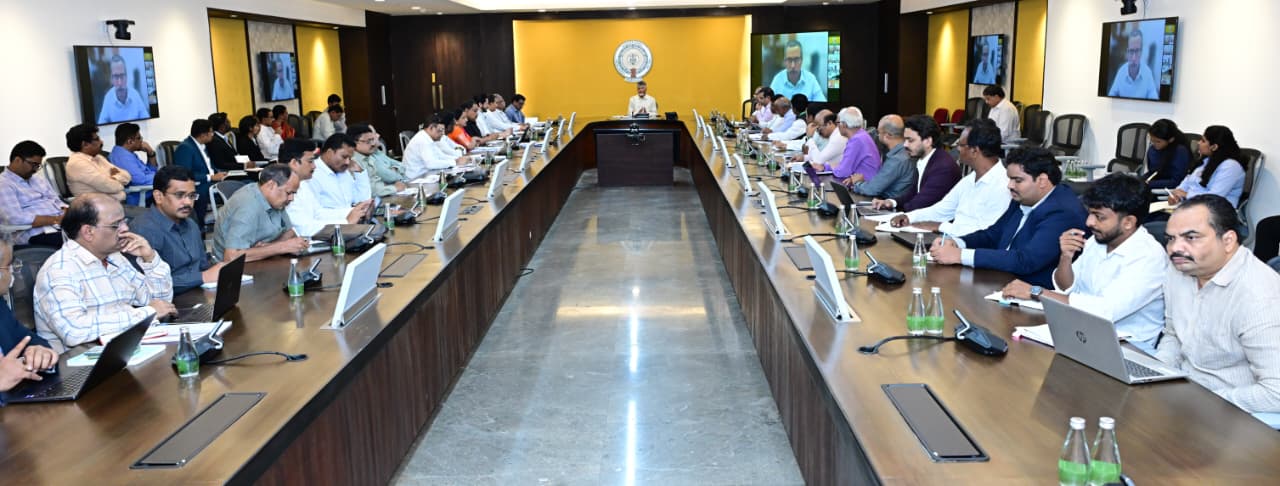
During a review meeting of Agriculture and Horticulture Departments at the Secretariat today the Chief Minister called for changes in cultivation practices to minimise crop losses taking into account the experiences of recent consecutive cyclones and natural calamities such as El Niño. He emphasised that the next six years should bring significant transformation, measurable outcomes and higher returns to farmers in the agriculture sector.
The Chief Minister directed officials to mobilise around Rs. 40,000 crore with the support of the Central Government and the World Bank for establishing a Horticulture Hub, while raising the remaining Rs. 60,000 crore through various investments to implement the proposed initiatives.He instructed officials to commence work on the Horticulture Hub at the earliest and conduct monthly reviews of its progress. Natural farming and micro-irrigation should receive the highest priority, while new varieties of horticulture crops should be introduced and modern cultivation practices encouraged.To attract investments and strengthen the horticulture sector, the Chief Minister directed officials to organise a special Horticulture Summit. He also called for further development of the food processing sector and the creation of an integrated ecosystem covering the entire value chain, from crop production to processing and marketing.He stressed the need to promote horticulture cultivation as a means of overcoming drought conditions.
The Chief Minister also called for greater use of modern agricultural machinery and directed officials to make special arrangements for showcasing the latest available farm equipment. He emphasised promoting modern cultivation practices, introducing new crop varieties to farmers and giving priority to soil conservation. He further instructed officials to safeguard the interests of tenant farmers along with those of land-owning farmers.
The Chief Minister directed officials to advance the crop cultivation calendar, wherever necessary, to prevent crop losses due to cyclones.He asked officials to prepare a plan to commence paddy cultivation in the last week of May during the 2027-28 Kharif season and complete harvesting by October.He observed that paddy crops cultivated through natural farming had suffered relatively less damage during the recent cyclones and called for creating awareness among paddy farmers about the benefits of natural farming.The Chief Minister directed officials to prepare a comprehensive action plan before the beginning of every crop season, taking into account weather conditions, market requirements, water availability and crop duration.He set a target of encouraging 26.5 lakh farmers to adopt natural farming by 2027-28 and called for expanding the practice across the State. Emphasising efficient water management to tackle drought conditions, the Chief Minister directed officials to complete Jaladhara-2 works by March and remain prepared to take up Jaladhara-3, if required.He stressed the need for accurate data on rainfall and groundwater availability across the State.
The Chief Minister suggested bringing all services related to agriculture, aquaculture and horticulture under a single mobile application. Information required by farmers, cultivation advisories and modern technological solutions should be made available through a unified platform.He also directed officials to collect field-level information through Rythu Seva Kendras and prepare a plan to ensure that the State remains green throughout the year.
Officials informed the Chief Minister that during the 2026 Kharif season, agricultural and horticultural crops across 12.64 lakh hectares in 26 districts had been affected due to El Niño-induced drought conditions, Cyclones Arnab and Murusu, and heavy rainfall.Of the total affected area, crops across 9.67 lakh hectares suffered damage due to El Niño-related drought conditions.Cyclone Arnab affected crops belonging to 3.82 lakh farmers across 13 districts, while Cyclone Murusu caused crop losses to 52,402 farmers across nine districts.Officials informed the Chief Minister that a detailed report on crop losses caused by the cyclones had been submitted to the Central Government.They proposed a total input subsidy of Rs. 2,743 crore for crops damaged due to natural calamities. Officials also stated that 11.55 lakh hectares of cultivated land in the State were covered under crop insurance.They estimated that insurance claims amounting to Rs. 1,732 crore could be received for the damaged crops.The Chief Minister directed officials to take steps to ensure that every farmer is covered under crop insurance.
Related News
CM Revanth Reddy castigated KCR and Harish Rao on mortgaging Telangana rights to AP in water allocation, utilization and illegal projects construction
“Invest Telangana Global Summit 2026 “— the India’s largest multi-sectoral exhibition
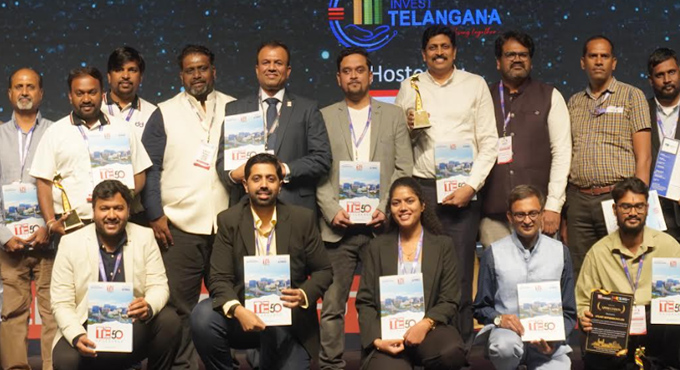
TiE50 Telangana 2026: Top 50 Promising Startups Announced; Report Launched at HES 2026
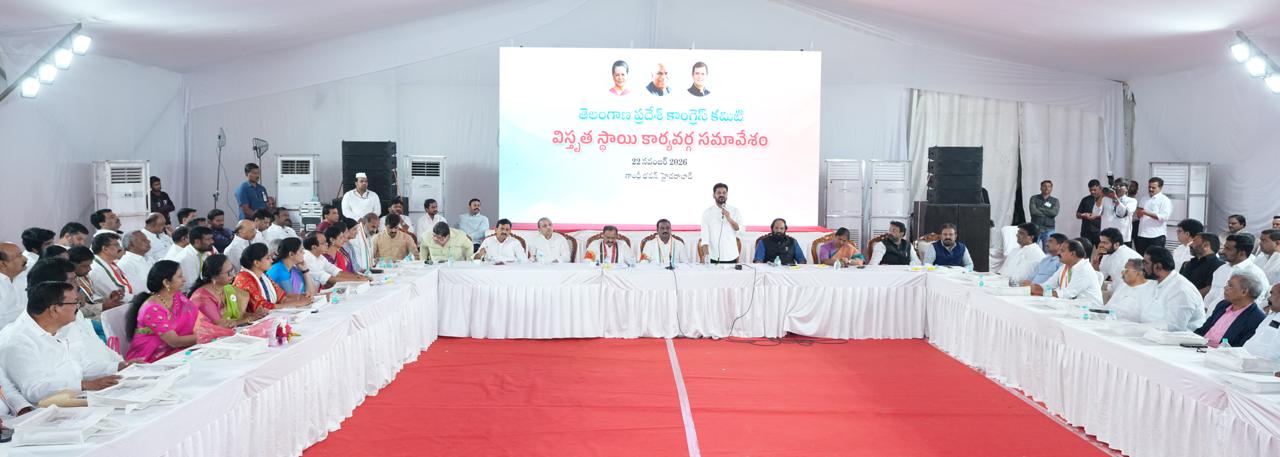
CM Revanth Reddy announces Congress is devising strategy to win next Assembly elections
TG Government takes up Urban development with an outlay of Rs. 20,000 Crore