
AAPI and GAIMS Achieve Historic Representation at the United Nations
- Published By: Vishal
- July 28, 2026 / 11:42 PM IST


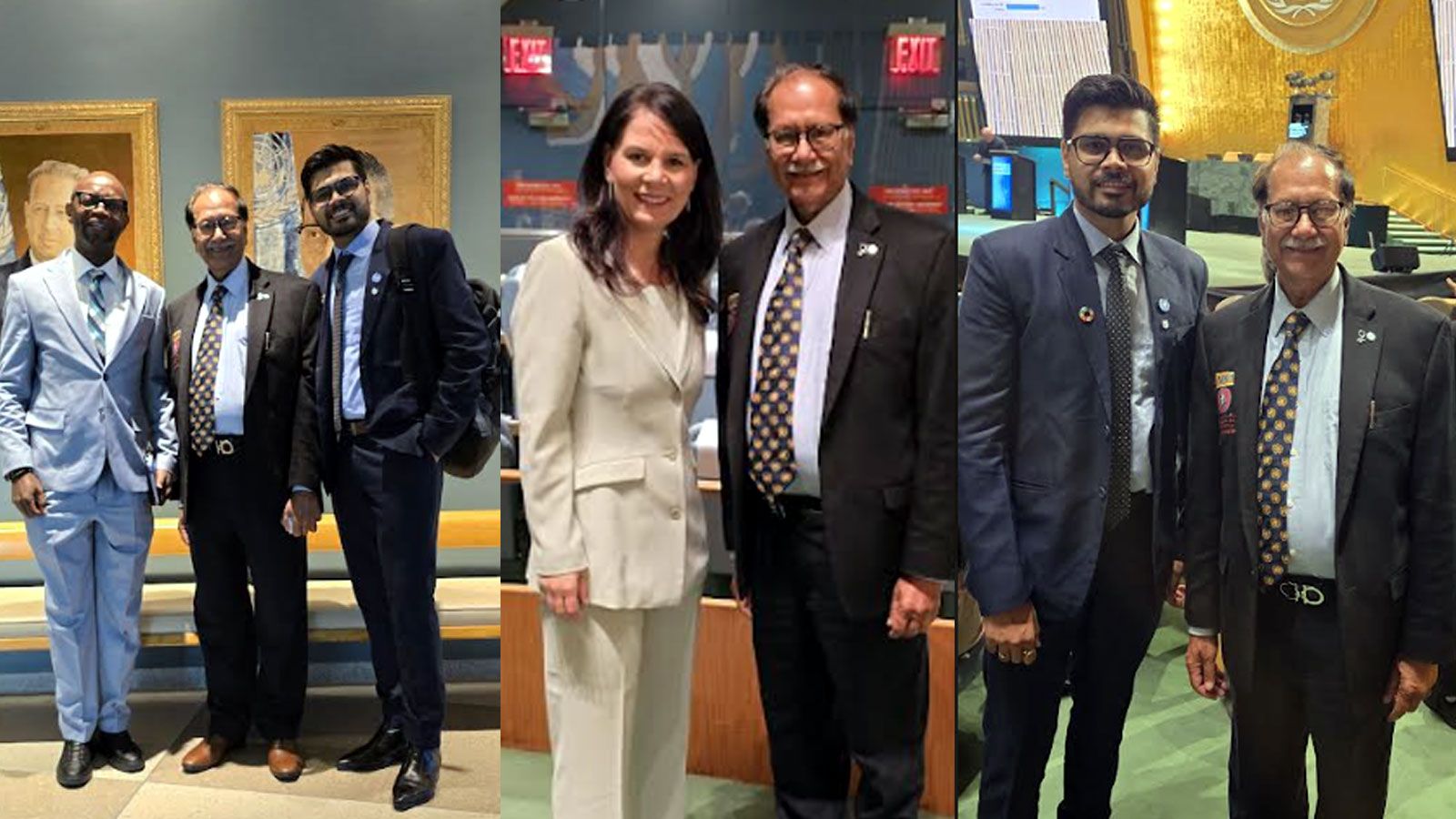
New York, July 2026 — In a landmark moment for the global Indian medical community, the American Association of Physicians of Indian Origin (AAPI) and the Global Association of Indian Medical Students (GAIMS) were represented at the United Nations Town Hall with the Candidates for Secretary-General, held on July 23, 2026, at the United Nations General Assembly Hall in New York.
According to Dr. Krishan Kumar, President-Elect of AAPI, and an Advisor to GAIMS along with Dr. Abhishek Kashyap, President of GAIMS, and Kaza Sri Harshitha, a Medical Student from GAIMS participated at the Town Hall.
The event placed Indian-origin physicians and medical students in a significant international policy forum where future global leadership priorities were discussed. The representation underscores the increasing role of healthcare professionals in shaping conversations on global public health, health equity, medical education, and international cooperation.
Dr. Kumar, who was at the Town Hall, said, “Our participation marks a proud milestone for Indian medical students and physicians of Indian origin, and a new step forward in global health advocacy.”
AAPI, the largest organization representing physicians of Indian heritage in the United States, has long identified advocacy, education, and service as central pillars of its mission. The organization describes itself as “the premier voice of Indian-origin physicians in the United States,” with a continuing commitment to advancing healthcare and public policy.
The United Nations participation aligns with AAPI’s broader vision of strengthening its presence in international health discussions. Recent AAPI leaders have repeatedly emphasized the importance of advocacy and global engagement.
Dr. Meher Medavaram, President of AAPI for 2026–27, stated, “My vision is to lead with unity, integrity, inclusion, and purpose,” while highlighting the growing influence of Indian-origin physicians in healthcare leadership.
The contest to succeed United Nations Secretary-General António Guterres rolled out beneath the glare of the spotlight at the organization’s headquarters last week, as candidates answered questions about their credentials for the job before member states and civil society groups.
Rafael Grossi (Argentina); Michelle Bachelet (Chile); Rebeca Grynspan (Costa Rica); María Fernanda Espinosa (Ecuador); Carolyn Rodrigues-Birkett (Guyana); and, Macky Sall (Senegal) are the six candidates, who participated at the Twn Hall and answered questions from the panel, in the presence of a large audience from around the world.
It’s significant that for the first time in the United Nations’ 70-year history, candidates vying to become secretary-general made their pitch for the job to world governments in hearings last week.
Dr. Vijay Maurya, Chair of AAPI BOT, reaffirmed the organization’s commitment to healthcare advocacy, saying, “AAPI is committed to expanding the knowledge base of young physicians, enhancing their careers, and empowering them to lead in healthcare advocacy and community service.”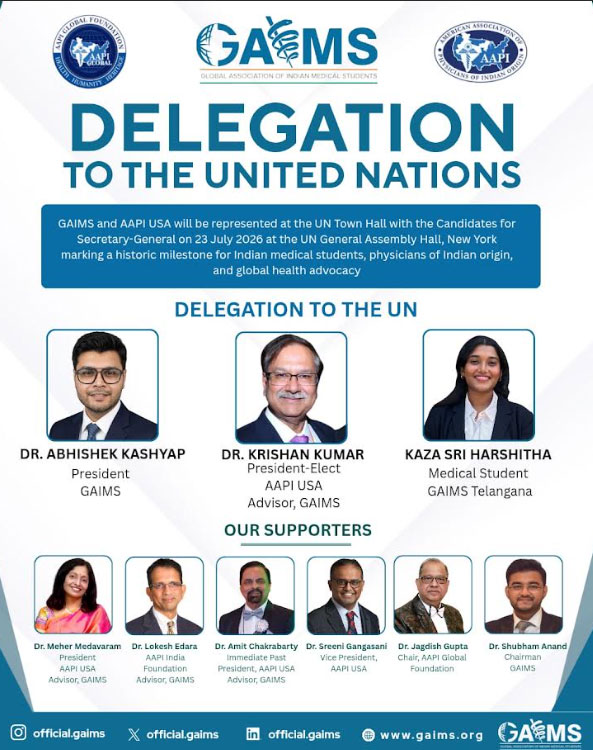
The importance of the UN appearance by AAPI leadership extends beyond symbolic representation. Indian-origin physicians constitute a major segment of the American healthcare workforce and have contributed extensively to medical innovation, patient care, and public health initiatives. AAPI represents more than 120,000 physicians, residents, fellows, and medical students of Indian origin, providing a unified platform for professional development and policy engagement.
Previous AAPI leaders have also stressed the need for a stronger voice in national and global health policy. Former AAPI President Dr. Amit Chakrabarty stated, “Our voice must be stronger, our advocacy bolder, and our unity deeper than ever before,” emphasizing the organization’s intention to participate in shaping healthcare policies internationally.
The joint representation of GAIMS and AAPI at the United Nations demonstrates the growing collaboration between established physician leaders and the next generation of healthcare professionals. As global healthcare challenges increasingly require international cooperation, the inclusion of Indian medical students and physicians in UN-level discussions highlights their expanding influence in global health diplomacy.
This historic participation is expected to strengthen future engagement between academic medicine, physician organizations, and international institutions while promoting the voices of Indian-origin healthcare professionals on the world stage.
Fore more details, please visit: aapiusa.org
Related News
AAPI’s National Stem Cell Donor Drive Gains Momentum as Youth-Led Movement Expands Across U.S. and India
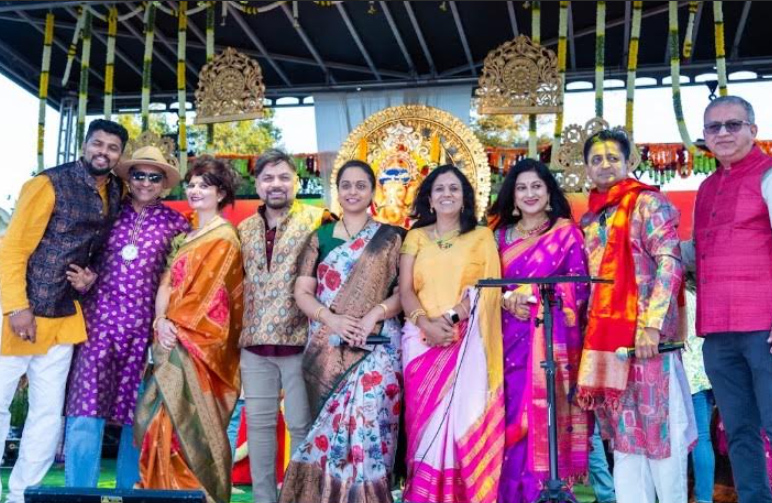
25,000+ Devotees to a spectacular Bay Area grand Ganesh Festival in San Ramon
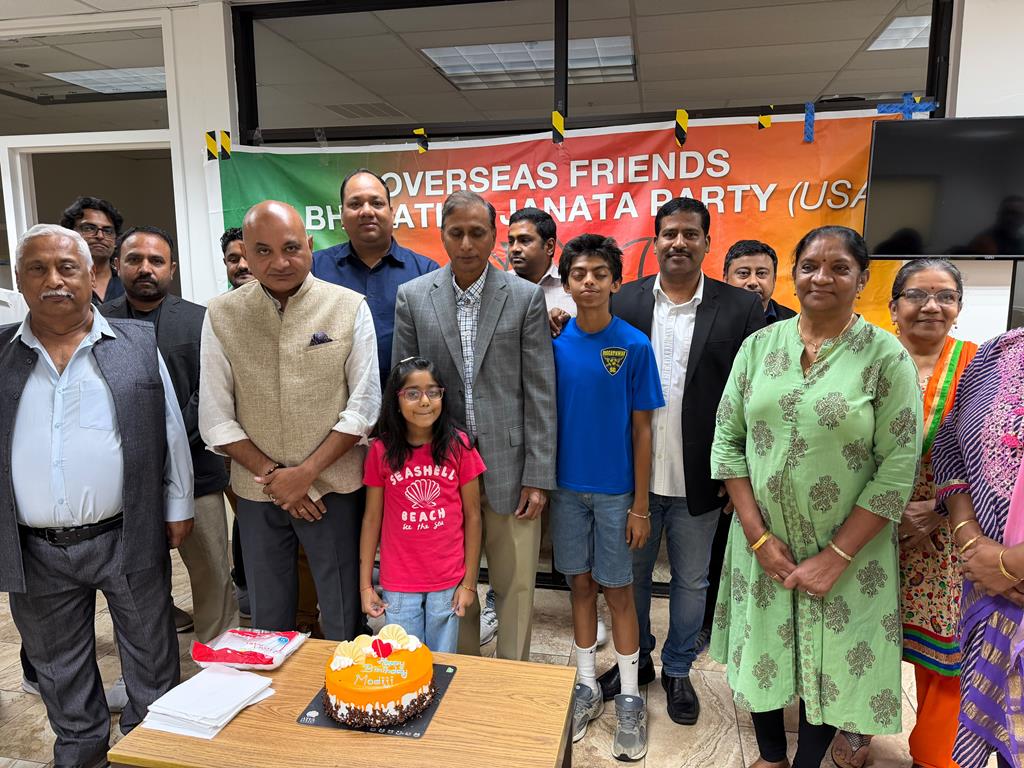
Prime Minister Modi’s 76th Birthday & Telangana Liberation Day Celebrated in New Jersey
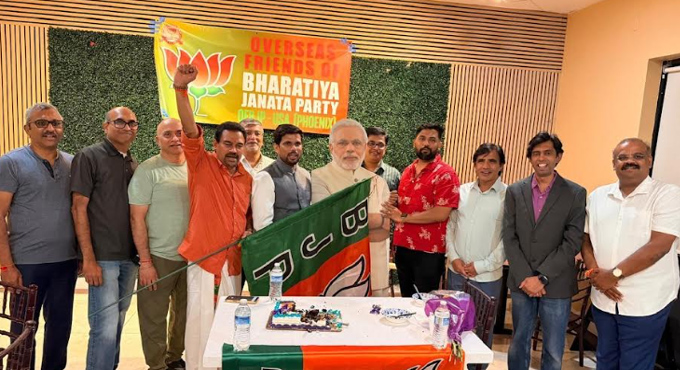
OFBJP Arizona Celebrates Prime Minister Narendra Modi’s Birthday & Telangana Liberation Day
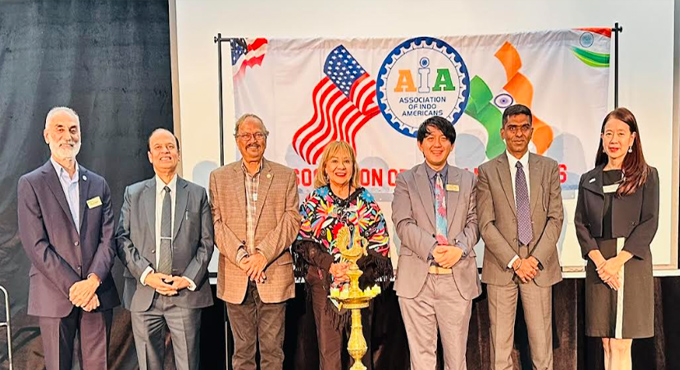
AIA Welcomes Consul General Satish Kumar Sivan & Honors Deputy Consul General Rakesh Adlakha at Bay Area Community Gathering