
Why Has Sai Pallavi Suddenly Become a Target of Trolls?

- Published By: Tech Team
- July 31, 2026 / 10:15 AM IST


— By Surya Prakash Josyula
“One trailer, one character, four minutes. Is that really enough to judge an actor?”
The film hasn’t even been released yet, and nobody has seen Sai Pallavi’s complete performance as Sita. Yet social media has already delivered its verdict. Comments like “She’s a miscast,” “She doesn’t look like Sita,” and “Someone else should have played the role” have flooded the internet ever since the Ramayana trailer was released. But this isn’t just another case of an actress being trolled. It reflects a much bigger change in the way audiences consume and judge cinema today.
The Trailer Is Now the First Verdict
There was a time when trailers were designed to create excitement and curiosity. Today, they have become the first courtroom where a film is judged. Within just four minutes, people are evaluating an actor’s performance, questioning a director’s vision, and even predicting whether the film will become a blockbuster or a failure.
Media theorist Marshall McLuhan famously said, “The medium is the message.” His idea feels more relevant than ever. The platform through which we consume information also shapes the way we react to it. Social media rewards speed over reflection, encouraging instant reactions instead of thoughtful opinions.
Why Do We Judge So Quickly?
The answer lies somewhere between psychology and technology. Social media algorithms reward those who react first, making instant opinions more valuable than informed ones. In today’s digital world, being the first to comment often matters more than being right.
Psychologists describe this as Confirmation Bias—our tendency to search for evidence that supports what we already believe. Those who had already decided Sai Pallavi wasn’t the right choice for Sita found confirmation in the trailer. Her supporters, on the other hand, saw grace, sincerity, and emotional depth in the very same footage. In many cases, we don’t watch the trailer with an open mind. We simply look for proof that validates our existing opinion.
Have We Become Less Patient?
Many argue that audiences have become impatient. That may be true, but the real change goes beyond patience. Our attention spans have become shorter, and our need to react has become stronger. Years ago, people watched a three-hour film before discussing it. Today, many are ready to pass judgment after watching a three-minute trailer.
This isn’t just an audience problem. It is also the result of how social media platforms are designed. Every notification, trending topic, and viral post pushes users to respond immediately, leaving very little room for waiting, reflection, or context.
Do Past Controversies Also Influence the Debate?
Not every person joining the trolling wave is reacting only to the trailer. In many cases, people carry opinions formed months or even years earlier. Past controversies, old interviews, or public statements often remain in the background, waiting for the next opportunity to resurface.
That is why a trailer today doesn’t just introduce a film. It also revives an actor’s public image, previous debates, and unresolved opinions. For some viewers, the trailer becomes less about what is on screen and more about confirming what they already feel about the person behind the character.
Can Trolling Change a Film?
The answer is yes—but only to a certain extent. In recent years, several filmmakers have improved visual effects, altered color grading, and even reworked scenes after receiving strong feedback on trailers. Social media has become an early feedback system that filmmakers can no longer afford to ignore.
However, trolling alone cannot decide a film’s fate. It may shape first impressions and influence early conversations, but it cannot replace the experience of watching the complete film. Ultimately, content remains the biggest deciding factor at the box office.
The Bigger Story
Whether the criticism against Sai Pallavi is justified or not will only become clear after Ramayana reaches theatres. Until then, every opinion is based on a carefully edited promotional video rather than the complete performance.
Perhaps the real story isn’t about Sai Pallavi at all. It is about us. We seem to be living in an era where opinions arrive before experiences, and verdicts come before evidence. The trailer may be only four minutes long, but in today’s digital world, that is often all it takes for millions to believe they have already seen the entire film.
Related News
Raja Kumari debuts as music director with IMPURE, and OMG is the Sangeet song for wedding season
‘Narayanamma’ Song from ONG FROM ‘– AK47’ Released
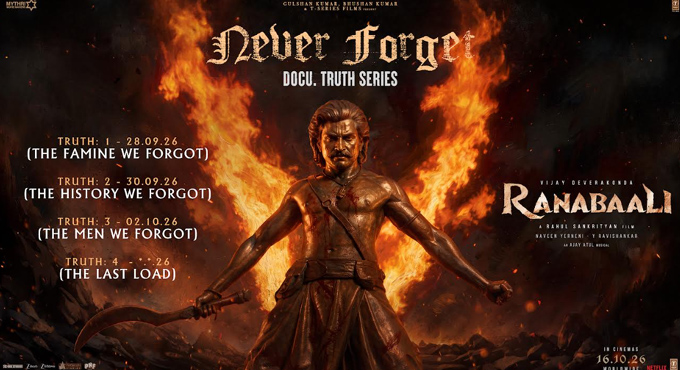
Vijay Deverakonda’s Ranabaali: Never Forget The Truth Documentary Series Announced
Star Producer A.M. Rathnam Graces Shree Nandu’s Kaasu Glimpse Launch Event

Director Pradeep Madugula’s Wife Deepti Reddy Sets an Example Through Organ Donation