

‘Toxic’ Review Row: Producers Send Legal Notices to YouTubers
- Published By: Tech Team
- August 28, 2026 / 04:32 PM IST


—Surya Prakash Josyula
Can a Negative Review Land You a Legal Notice?
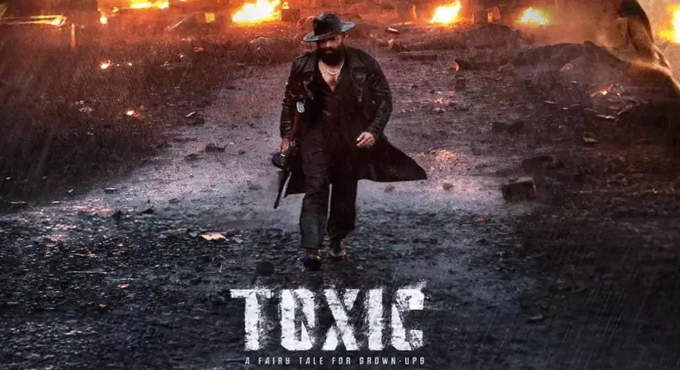
Watching a movie and telling a friend, “What’s there in this, boss? It was so boring,” is something most of us do. We also say the same thing on social media without thinking much about it. But what if saying the same thing in a YouTube video or an online review leads to a legal notice? That is exactly what is happening now around Yash’s latest film, Toxic.
Released in theatres on August 26 amid huge expectations, Toxic has triggered a lot of discussion on social media. Many viewers who did not like the film posted negative reviews, but the controversy took a different turn when ratings on ticket-booking platforms disappeared. Now, legal notices being sent to YouTubers have added another layer to the issue. Prominent YouTubers such as Suraj Kumar and Prashanth Rangaswamy have reportedly received notices from the producers’ side, leading to more debate on social media.
Producers Have a Point, Too
When producers invest hundreds of crores in a film, it is understandable that they would want to stop anyone from deliberately spreading false information about it. The court order in this case also does not say that people cannot write about or review the film at all. The restrictions are specifically against content that is false or defamatory.
But that is also where the real problem begins.
There is a thin line between saying, “I did not like the film at all,” and making an unverified statement that could damage someone’s reputation. So, where exactly should that line be drawn? At what point does a personal opinion become something that can be treated as defamation?
The Bigger Question Around Film Reviews
For now, all eyes are on the next hearing in the Bengaluru court on September 28. What happens there could have implications beyond Toxic. It could also shape the debate around how freely ordinary viewers and social media reviewers can express their opinions about a film.
The bigger question is simple: How much freedom should a viewer have to say that a movie is bad, and where does that freedom cross the line into defamation?
Related News

Instagram After Midnight? Why Meta Is Changing the Rules for Teens

Dulquer Salmaan Sings ‘Loser’ Song for I’m Game; Film Releases Worldwide on Sept 3

Ravi Teja, Vivek Athreya, Laxman, Srini, Bridge Productions’ Exciting New Film

‘Mohabbat’ Unveils Beautiful Rakhi Special Poster

Anumana Pakshi Starring Rag Mayur Releasing on Sept 18th