


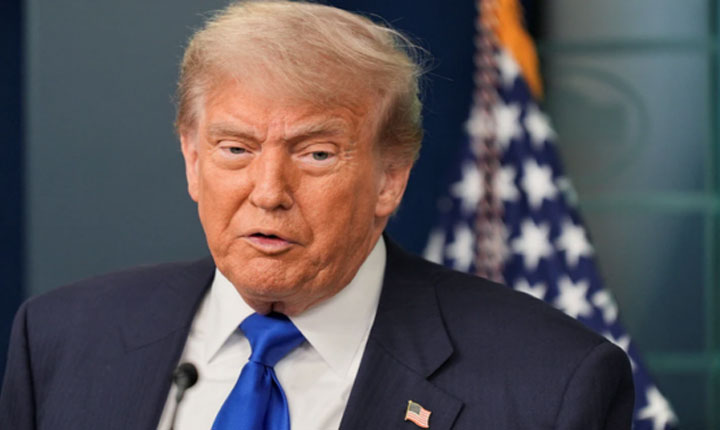
Energy Crisis: A significant majority of Americans now hold President Trump accountable for the recent surge in fuel costs as the ongoing conflict with Iran continues to destabilize the global economy. According to a new Reuters/Ipsos poll, approximately 77 percent of registered voters believe the administration bears at least some responsibility for the financial strain at the pump.
A Rare Moment of Bipartisan Consensus:
The survey highlights a rare instance of cross-party agreement regarding the President’s influence on the energy market. While the intensity of blame varies, the sentiment is surprisingly widespread:
- 95 percent of Democrats hold Trump responsible.
- 82 percent of Independents agree.
- 55 percent of Republicans a majority of the President’s own party concede he plays a role.
This shifting perception poses a strategic challenge for the GOP ahead of the midterm elections. While Republicans previously enjoyed a 14-point advantage over Democrats on economic issues at the start of Trump’s second term, that lead has evaporated to a mere 1-point margin.
Volatility in the Strait of Hormuz:
The primary driver of the price hike remains the geopolitical tension in the Middle East. Although the national average has dipped slightly to $4.03 per gallon, Brent crude continues to trade at a high of $106 per barrel. The sustained closure of the Strait of Hormuz and the resulting naval blockade have kept markets in a state of constant volatility.
Despite Pakistani mediators successfully securing an indefinite extension of a ceasefire, the President’s insistence on maintaining the blockade suggests that supply lines will remain restricted for the foreseeable future.
Conflicting Messaging from the White House:
The administration appears to be at odds with itself regarding when relief will arrive. Energy Secretary Chris Wright recently cautioned that gas prices may not fall below $3 per gallon until next year. President Trump quickly dismissed this timeline as “totally wrong,” asserting a more optimistic outlook.
However, the American public remains skeptical. The poll found that 77 percent of citizens view fuel prices as a “very big concern,” with respondents twice as likely to expect further price increases over the coming year rather than a decrease.
Source: The Hill